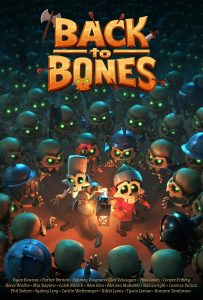
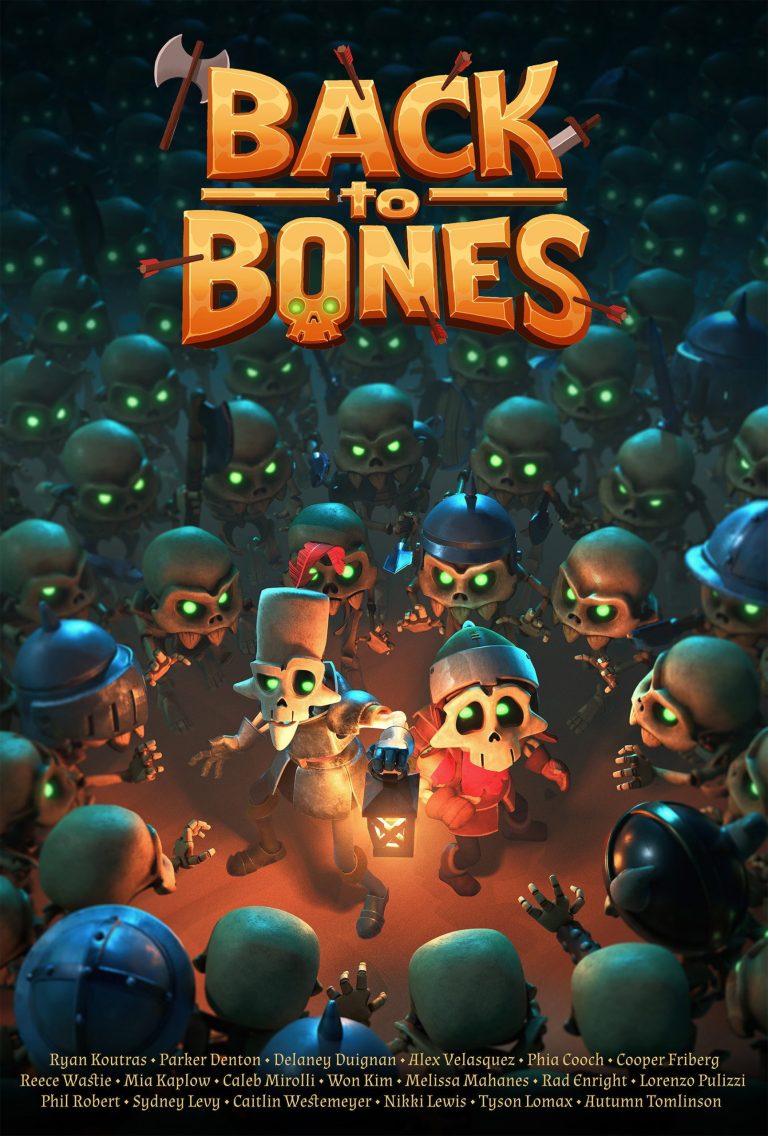
Welcome to today's episode of our podcast, where we dive into the hilariously spooky and magical world of the 2026 animated short film, Back to Bones. Directed by Ryan Koutras, this five-minute fantasy comedy masterpiece recently captured the spotlight as the third-place winner of the prestigious 2025 Animation Thesis Grant awarded by the creative studio Make.
In this episode, we unpack the brilliantly crafted plot set in a bleak, medieval wasteland. The story follows a hapless Knight, voiced by Will Bergbauer, and his loyal Squire, played by Nicholas Nardone, who find themselves accidentally resurrected into an undead army by a powerful Necromancer, voiced by Nathan Lamarre. What follows is a wildly entertaining journey as the duo becomes desperate to escape their cursed undeath. They try absolutely every method possible to rest in peace, only to comically wake up again after each failed attempt. We will discuss the film's chaotic climax, which involves a massive cannon that misfires and seemingly crushes the very Necromancer who raised them—or so it seems.
Join us as we explore how Back to Bones masterfully blends high cinematic stakes with crude, laugh-out-loud humor. We will discuss the film's unique tone, which leans heavily into the charm of a fantasy epic that never takes itself too seriously. From its spooky Halloween vibes to its clever take on the classic skeleton trope, we analyze what makes this short film a standout piece in modern animation. Whether you are an animation enthusiast, a lover of dark comedies, or simply looking for a fun fantasy adventure, this episode offers a complete deep dive into the creative brilliance behind Back to Bones. Tune in for a spellbinding and bone-rattling discussion!
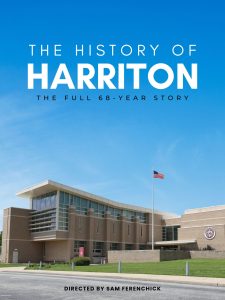
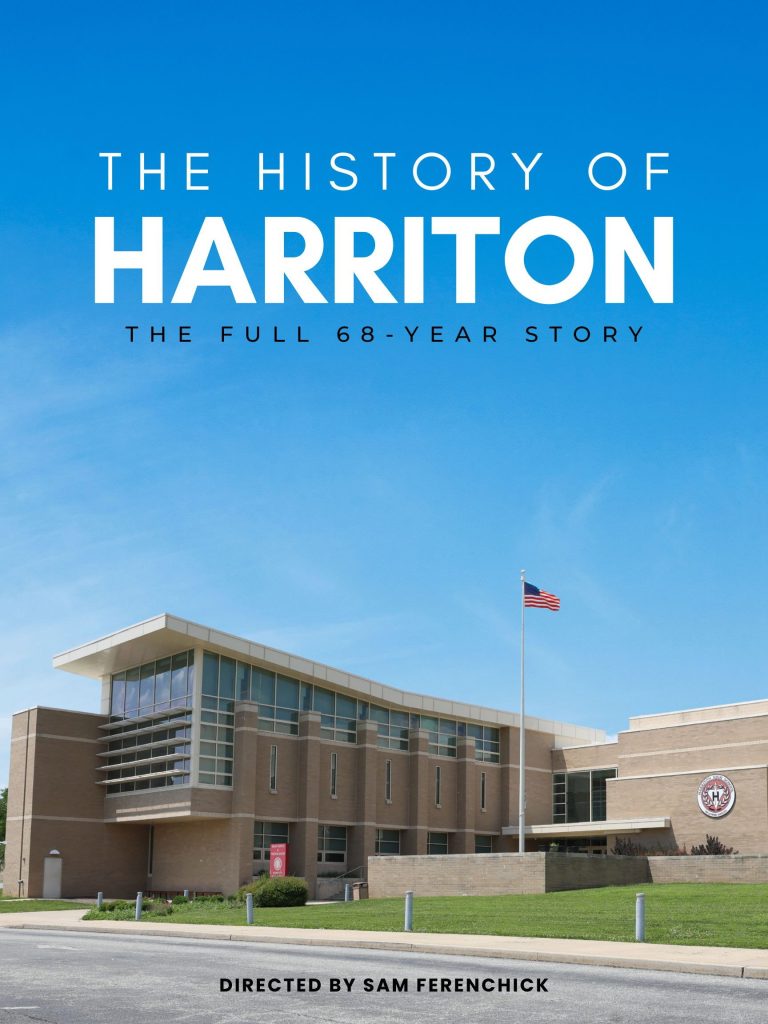
In this episode of our podcast, we take a captivating deep dive into The History of Harriton, a remarkable feature-length documentary created by student filmmaker Sam Ferenchick. While Harriton High School is celebrated today for its competitive culture, distinguished extracurriculars, and stellar educational quality since its founding in 1958, the land it occupies holds a much deeper and more complex American story.
We explore how this documentary brilliantly bridges the gap between a modern educational powerhouse and the centuries-old legacy of the Harriton estate. We unpack the 17th-century origins of the property, moving from Rowland Ellis’s early Welsh settlement to Richard Harrison’s lucrative tobacco plantation, which was built on the grim realities of enslaved labor. The narrative then shifts to an inspiring turning point when Charles Thomson, an ardent abolitionist and the Secretary of the Continental Congress, married into the family and helped change the estate's trajectory.
Featuring insights from interviews with past and present teachers, administrators, and students, the film connects the everyday experiences of contemporary high schoolers to the foundational struggles of the nation. Join us as we discuss the profound historical truths unearthed in this student-led project, exploring how it courageously confronts the dark chapters of the past while celebrating the community's evolution. Whether you are a history enthusiast, an educator, or simply a fan of compelling documentary filmmaking, this episode offers a thought-provoking look at how local history shapes the institutions we walk through every day.
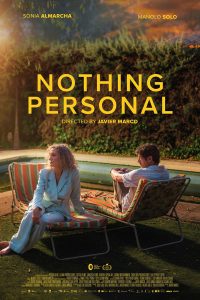
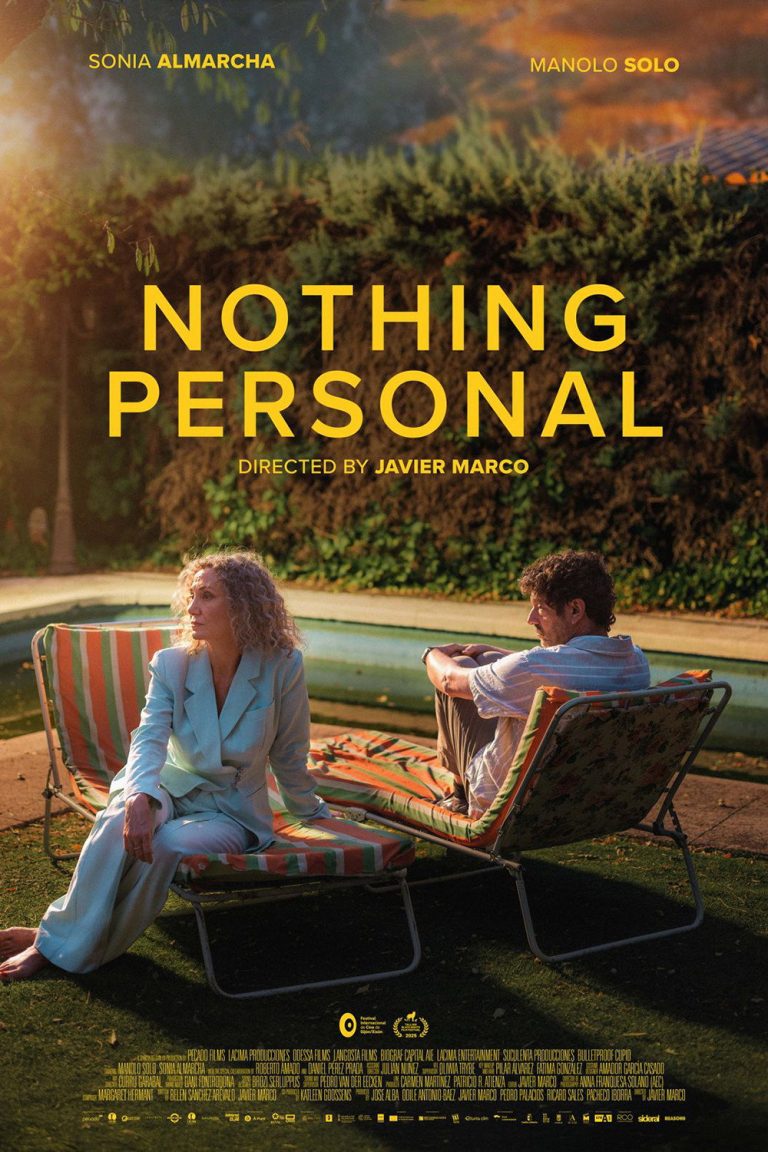
Welcome to this episode of our podcast, where we dive into the cinematic depths of two remarkably different films that share a single, evocative title: Nothing Personal. In this compelling double feature, we explore how two distinct eras of filmmaking utilize the Irish landscape to tell gripping stories of conflict, isolation, and human connection.
First, we journey back to Thaddeus O'Sullivan’s gritty 1995 drama set in the claustrophobic streets of 1975 Belfast. We discuss how this intense film captures the terror of the Northern Irish Troubles, offering a rare, uncompromising look at Loyalist paramilitaries. Through powerful performances and a chilling portrayal of sectarian violence, this classic strips away the romanticism of rebellion, leaving viewers with a harrowing look at the tragic cost of political fanaticism and the destruction of innocence.
Next, we shift our focus to the critically acclaimed 2009 Dutch-Irish co-production directed by Urszula Antoniak. Leaving the urban warfare of Belfast behind, this beautifully austere film takes us to the rugged, isolated coast of Connemara. Here, the conflict is deeply internal. We analyze the delicate, unspoken bond that forms between a fiercely solitary Dutch drifter and a quiet Irish widower. This segment of the episode examines the movie’s masterful use of minimal dialogue, raw natural beauty, and its profound exploration of grief, emotional barriers, and the basic human need for companionship.
Join us as we unpack these two cinematic gems. Whether examining the external devastation of a divided society or the quiet, internal struggle of two lonely souls finding solace in the wilderness, this episode reveals why both versions of Nothing Personal are unforgettable explorations of the human condition. Tune in for an insightful journey into history, psychology, and the art of storytelling.
Welcome to this episode of A Ripple Song, where we dive into the quiet brilliance and subtle emotional depth of the award-winning short film, Remains of the Hot Day (Re Tian Wu Hou), directed by Chinese filmmaker Wenqian Zhang. Premiering at the 74th Berlin International Film Festival and capturing the prestigious Silver Bear Jury Prize, this poignant twenty-four-minute work transports viewers to the humid tail end of the 1990s in mainland China.
Set entirely during a single sweltering summer afternoon, the film observes a multi-generational family gathered around a lunch table and resting through a sticky, restless midday nap. Seen through the observational lens of a young girl, the narrative dispenses with conventional dramatic plotlines in favor of a sensory tapestry built from quiet domestic rituals, fleeting glances, and subtle familial tensions. Beneath the oppressive heat and distant rumble of thunder lies a portrait of an era in transition—an absent father chasing economic promise in Shenzhen, a devoted grandmother anchoring the household, and a child quietly navigating the unspoken emotions of the adults around her.
In this episode, we unpack how director Wenqian Zhang transforms personal childhood memories into a poetic slice of life. We explore the film's distinct visual composition, its delicate sensory soundscapes, and how the suffocating summer warmth serves as a living metaphor for suppressed desires and emotional exhaustion. Drawing connections to Zhang's autobiographical documentary, A Long Journey Home, we discuss how intimate family stories reflect broader social transformations across modern China. Join us as we dissect what makes this brief, atmospheric masterpiece such a standout reflection on childhood, nostalgia, and the enduring residue of time.
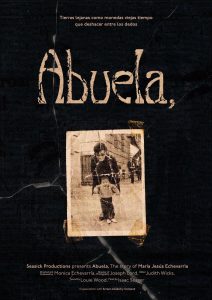
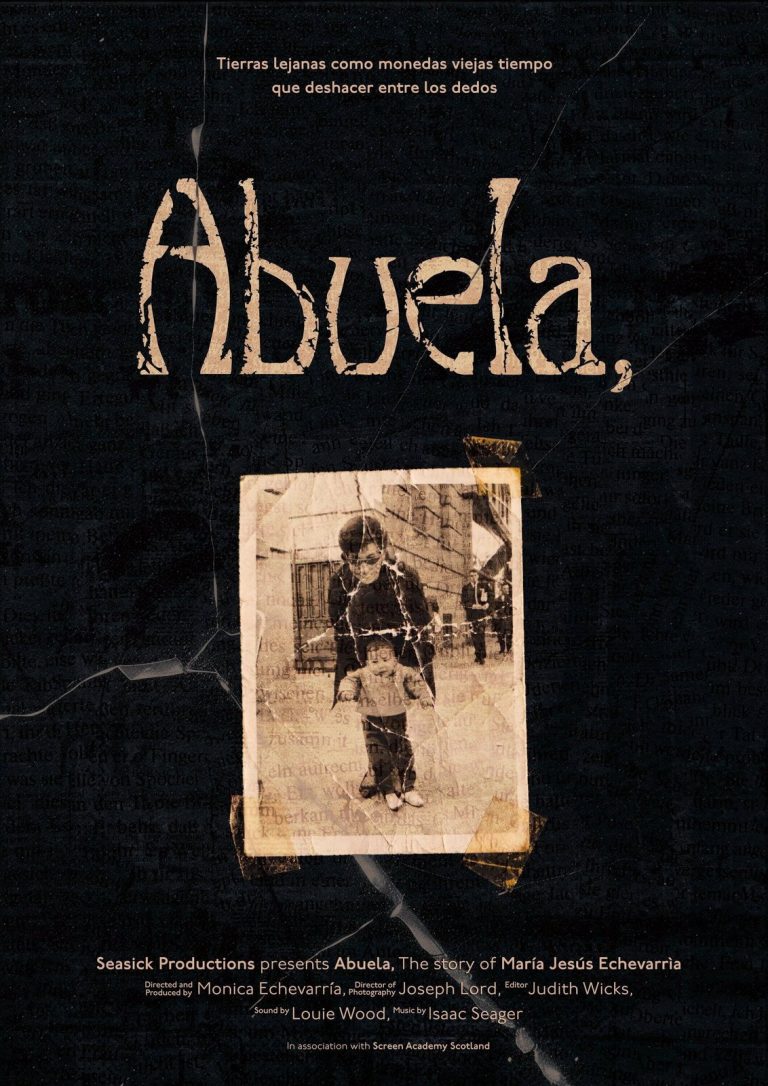
Welcome to today's episode, where we dive deep into the chilling and visually striking world of "La Abuela" (The Grandmother), the 2021 Spanish horror film directed by Paco Plaza and written by Carlos Vermut. This slow-burn psychological thriller takes us far beyond the typical haunted house tropes, delivering a profound and terrifying exploration of aging, the loss of youth, and the dark side of family bonds.
The story follows Susana, a young and ambitious Spanish model working in Paris, whose life is suddenly put on hold. When her grandmother Pilar suffers a severe stroke, Susana leaves her glamorous career behind to return to Madrid and care for the woman who raised her. However, what begins as a poignant drama about family duty and palliative care soon spirals into an absolute nightmare.
As Susana watches her grandmother’s cognitive and physical decline, the elegant Madrid apartment transforms into a claustrophobic trap. But the true horror of "La Abuela" isn't just about the physical deterioration of old age. Beneath the surface lies a sinister occult secret. Pilar is no helpless elder; she and her mysterious companions are part of a dark, supernatural lineage of witches, plotting to forcefully swap souls and steal the bodies of the young to achieve immortality.
Featuring breathtaking performances by Almudena Amor and veteran model Vera Valdez, the film masterfully blends the anxieties of the younger generation with timeless folk horror. It forces us to confront uncomfortable questions about societal beauty standards, ageism, and the monstrous lengths some might go to cheat time.
Join us as we unpack the eerie atmosphere, the powerful intergenerational duel, and the unsettling ending of Paco Plaza’s atmospheric masterpiece. Grab your headphones, turn off the lights, and prepare yourself to face the real monster: the relentless passage of time.
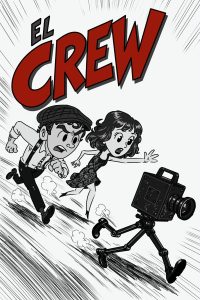
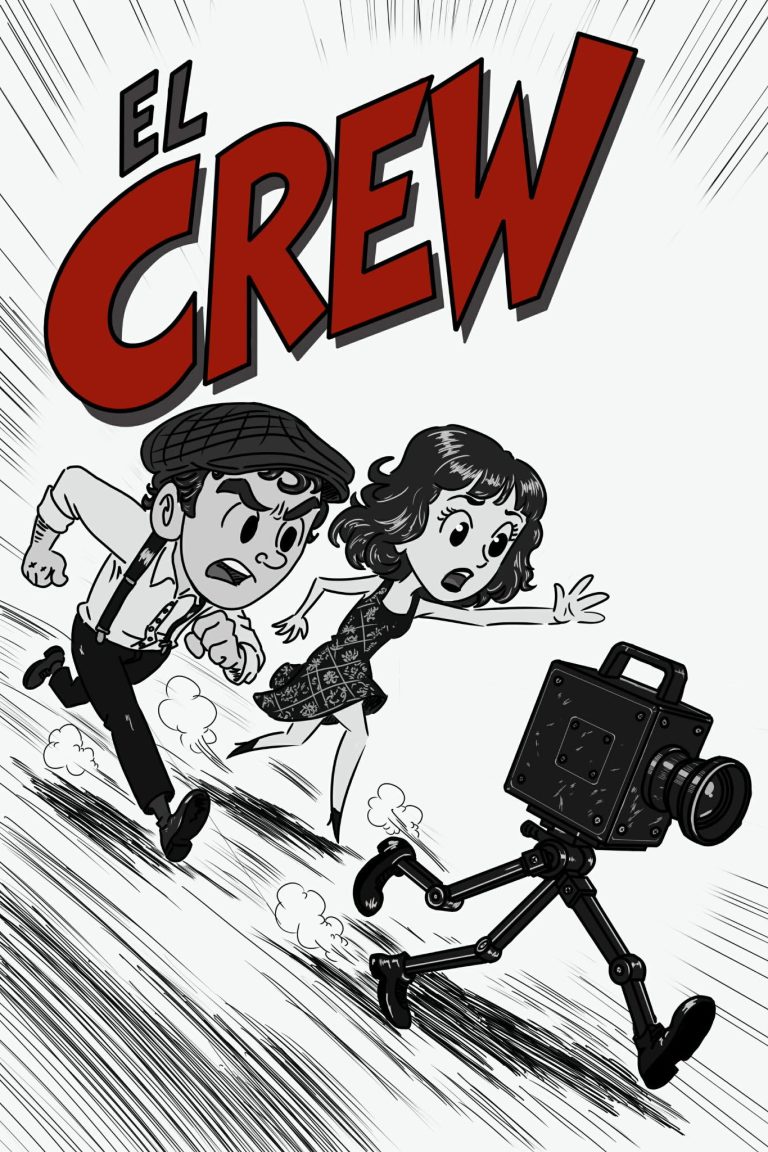
Welcome to our latest podcast episode, where we dive deep into the vibrant and challenging world of independent cinema, centering our discussion around the captivating 2026 film release, El Crew. Today, we unpack the evolving landscape of modern filmmaking and the immense collaborative effort required to bring a director's vision to the silver screen. Drawing profound inspiration from Robert Rodriguez's iconic book, Rebel Without a Crew, we explore how his rebellious, do-it-yourself ethos—famously transforming a micro-budget of just seven thousand dollars into a massive Hollywood breakthrough—continues to ignite the passion of today's emerging creators.
In this episode, we take a moment to celebrate the unsung heroes working tirelessly behind the camera. We examine how dedicated production teams and local talents are shaping the industry, taking cues from recent regional productions like Amor a Fuego Lento, which beautifully utilized the natural landscapes and rich culinary culture of Baja California. We also delve into the profound emotional impact of the modern post-horror genre, highlighting groundbreaking works like the award-winning short film Té de ruda. This film fearlessly uses atmospheric, slow-burn storytelling to address deep-rooted, intergenerational societal issues and gender violence.
Furthermore, we discuss the crucial role of global platforms that champion independent voices, from the highly supportive stages of the León International Film Festival to the phenomenal viral success of low-budget triumphs like the thriller Obsession, which astonishingly turned a modest one-million-dollar investment into a staggering thirty-million-dollar box office hit. Whether we are looking at grassroots digital content, innovative web series, or high-fidelity modern theatrical releases, this episode is a heartfelt tribute to the grit, creativity, and sheer determination of filmmakers everywhere. Tune in for an inspiring conversation about the enduring power of storytelling and the relentless spirit of the cinematic crew.
Welcome to our latest podcast episode, where we dive deeply into the timeless Chinese classic, "The Eternal Wave" (永不消逝的电波). Originally released in 1958 as New China's first espionage film, this cinematic masterpiece tells the gripping, true story of Li Bai, a heroic undercover telegrapher operating in the shadows of wartime Shanghai.
In this episode, we explore the incredible legacy of the film, tracing its profound narrative that beautifully blends revolutionary heroism with tender human romance, alongside the mesmerizing performances of legendary actors like Sun Daolin and Yuan Xia. We will delve into the harrowing historical reality behind the fiction, recounting Li Bai's final, tragic broadcast in 1948 where he sent his ultimate, heartbreaking message: "Comrades, farewell!"
Furthermore, we discuss the groundbreaking recent 4K colorized restoration of the movie. You will hear how a dedicated team combined cutting-edge artificial intelligence technology with painstaking manual craftsmanship. We will uncover how they meticulously researched historical details—down to the exact color of a vintage book cover and the fabric of a Qipao—to breathe vibrant new life into over 165,000 frames of black-and-white history.
Beyond the silver screen, we also examine how this powerful story has triumphantly transitioned to the modern stage. We look at the phenomenal, highly acclaimed dance drama adaptation that currently captivates younger audiences across the nation, conveying a profound message of faith, tension, and sacrifice without uttering a single spoken word.
Join us as we unpack the rich historical backdrop, the masterful cinematic artistry, and the enduring spirit of "The Eternal Wave." We will discover exactly why its courageous message and emotional impact remain as vibrant and deeply resonant today as they were over six decades ago.
Welcome to another exciting episode of our film and pop culture podcast! Today, we are diving deep into the fascinating and often chaotic world of modern Greek mythology adaptations. The year 2026 has proven to be a massive moment for ancient epics returning to the silver screen, and we have a bizarre double feature that perfectly captures the highest highs and the absolute most perplexing lows of cinematic storytelling.
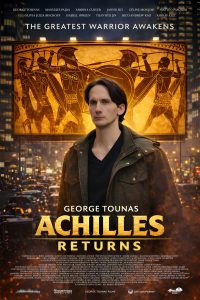
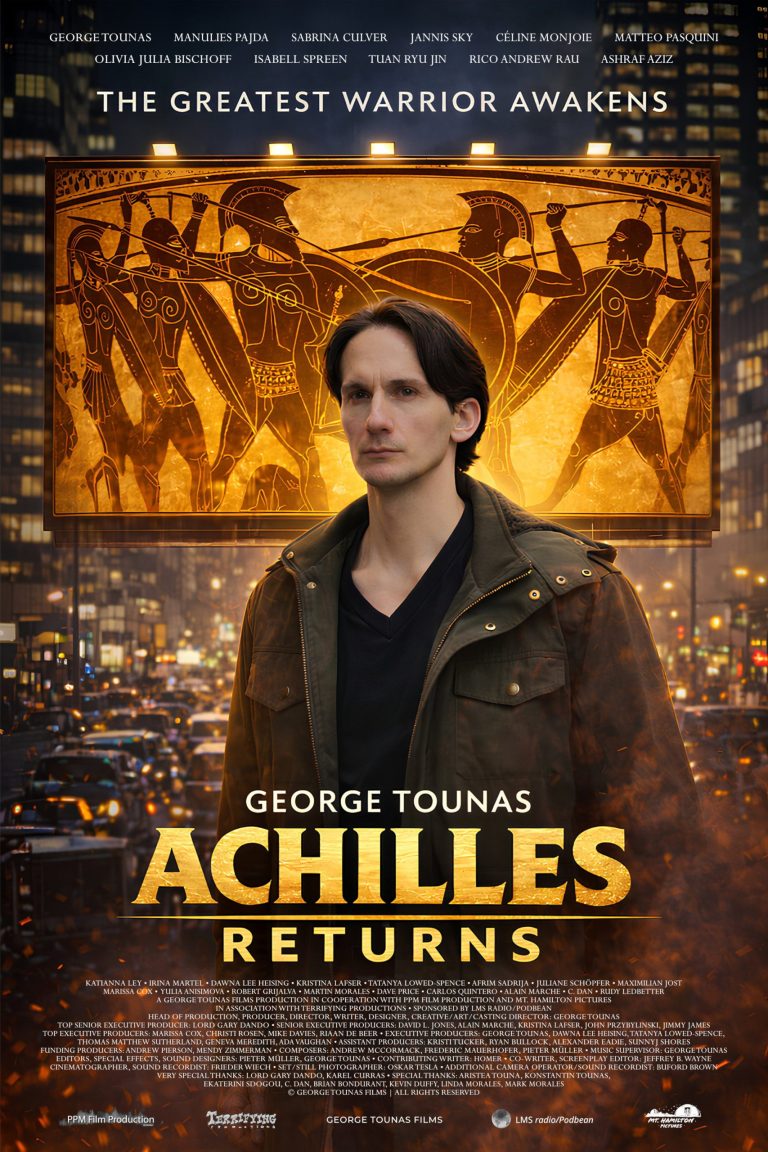
First up, we will be unpacking the internet's latest obsession for all the wrong reasons: George Tounas’s indie fantasy project, Achilles Returns. Released earlier this year, the film follows an aged Achilles who is released from the Underworld into modern society after negotiations between Zeus and Hades. We will discuss its viral trailer, the hilariously questionable special effects, the obvious generative AI battle scenes, and why online communities are already hailing it as a masterpiece of "Best of the Worst" cinema. Is it a passionate independent endeavor or simply an egomaniacal vanity project? We break down every glorious, low-budget detail.
Then, we pivot from a zero-budget indie to the ultimate blockbuster spectacle: Christopher Nolan’s highly anticipated, 250-million-dollar epic, The Odyssey. Starring Matt Damon as Odysseus, this gritty, IMAX-shot titan has dominated the cultural conversation. We will explore the intense debates surrounding its historical inaccuracies, the controversial casting choices, and the director's bold decision to use modern American accents instead of traditional dialects.
From the mythological depths of internet mockery to the heights of Hollywood's biggest box office projections, this episode explores how legendary figures like Achilles and Odysseus continue to captivate our imaginations today. Grab your headphones, prepare for some serious cinematic whiplash, and join us as we journey from the ridiculous to the sublime!
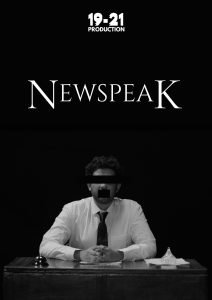
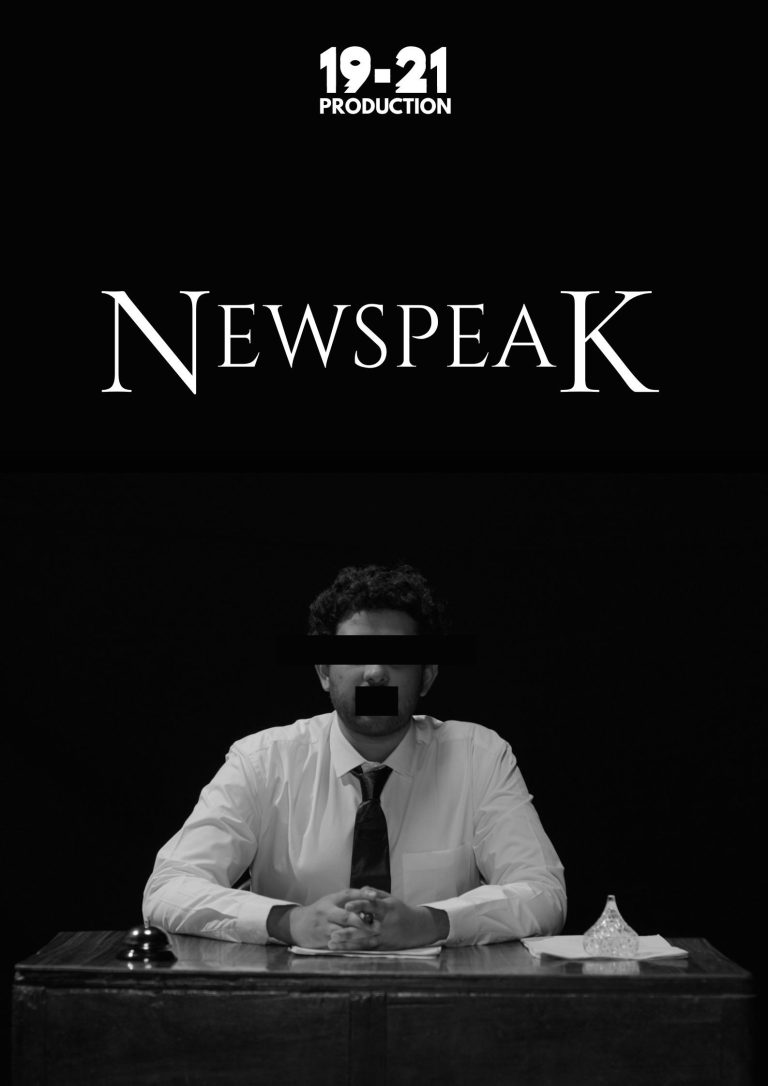
Welcome to our latest podcast episode where we dive deep into the chilling world of George Orwell's 1984, exploring how cinema has interpreted his ultimate warning to humanity. While many major film adaptations heavily focus on the visual terrors of the surveillance state—telescreens, Room 101, and the ever-watching eyes of Big Brother—they often miss the true heart of Orwell's dystopian nightmare: the weaponization of language.
In this episode, we unpack the terrifying mechanics of Newspeak, the constructed language engineered by the totalitarian regime of Oceania. We discuss how the deliberate reduction of vocabulary and the simplification of grammar are designed not just to control speech, but to make rebellious thoughts and critical thinking literally impossible. By analyzing various cinematic interpretations, from Michael Radford's bleak and beautiful 1984 classic to Diana Ringo's recent adaptation and Raoul Peck's urgent documentary Orwell: 2+2=5, we examine why film as a visual medium often struggles to fully capture the psychological horror of a shrinking language.
We also bring the discussion into the twenty-first century, exploring the sociolinguistics of power and identity. How does the concept of Newspeak mirror today's digital landscape of misinformation, political propaganda, and doublethink? Can the manipulation of words fundamentally erase human autonomy, or can language still serve as a powerful tool for resistance? Join us as we dissect the mechanics of thought control, the erasure of individual identity, and why Orwell's warnings about the corruption of language remain more urgent and relevant today than ever before. Tune in to understand why the real threat isn't just someone watching your every move, but someone controlling your every word.
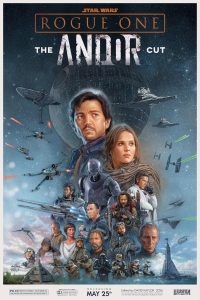
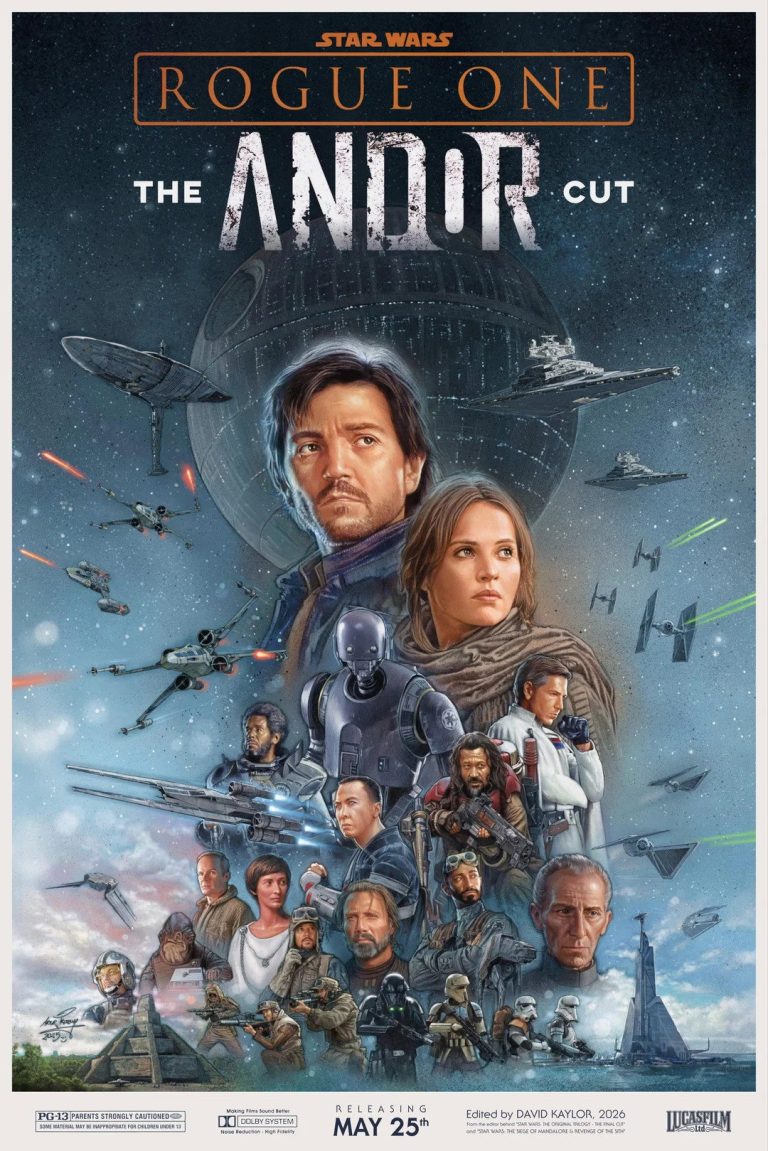
Welcome to the Rebellion, and witness the ultimate finale of the Andor saga. In this episode, we dive deep into "Rogue One: The Andor Cut," an ambitious fan edit created by video editor David Kaylor. Released on May 25, 2026, this project completely reimagines the 2016 theatrical film "Rogue One: A Star Wars Story" as a direct, seamless sequel to the critically acclaimed Disney Plus series "Andor."
While the original theatrical film focuses primarily on Jyn Erso’s journey, "The Andor Cut" shifts the entire perspective of the story, reframing the tragic events of Scarif through the cold, calculated, and deeply emotional eyes of Cassian Andor. We explore how this edit aligns Rogue One with the gritty, mature, and politically complex tone established over the course of Andor’s two seasons.
In this episode, we break down the extensive changes made to bridge these two stories. From visual and audio overhauls to significant narrative cuts, we look at how the edit replaces the original cinematic score with Andor’s tense, electronic leitmotifs. We also analyze the insertion of poignant flashbacks, including Cassian's memories of Clem and Marva, and the removal of lighter elements like the Bor Gullet subplot and classic droid cameos. Furthermore, we discuss the integration of improved deepfake renders for Grand Moff Tarkin and Princess Leia, alongside realistic battle-damage effects on Darth Vader’s helmet.
Whether you are a die-hard Star Wars fan or simply captivated by Tony Gilroy's masterful storytelling, join us as we examine how this fan edit transforms a beloved blockbuster into a haunting, high-stakes espionage thriller that serves as the perfect epilogue to Cassian's journey. It is time to look at the sacrifice on Scarif in a whole new light.
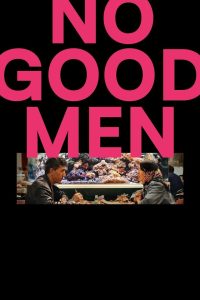
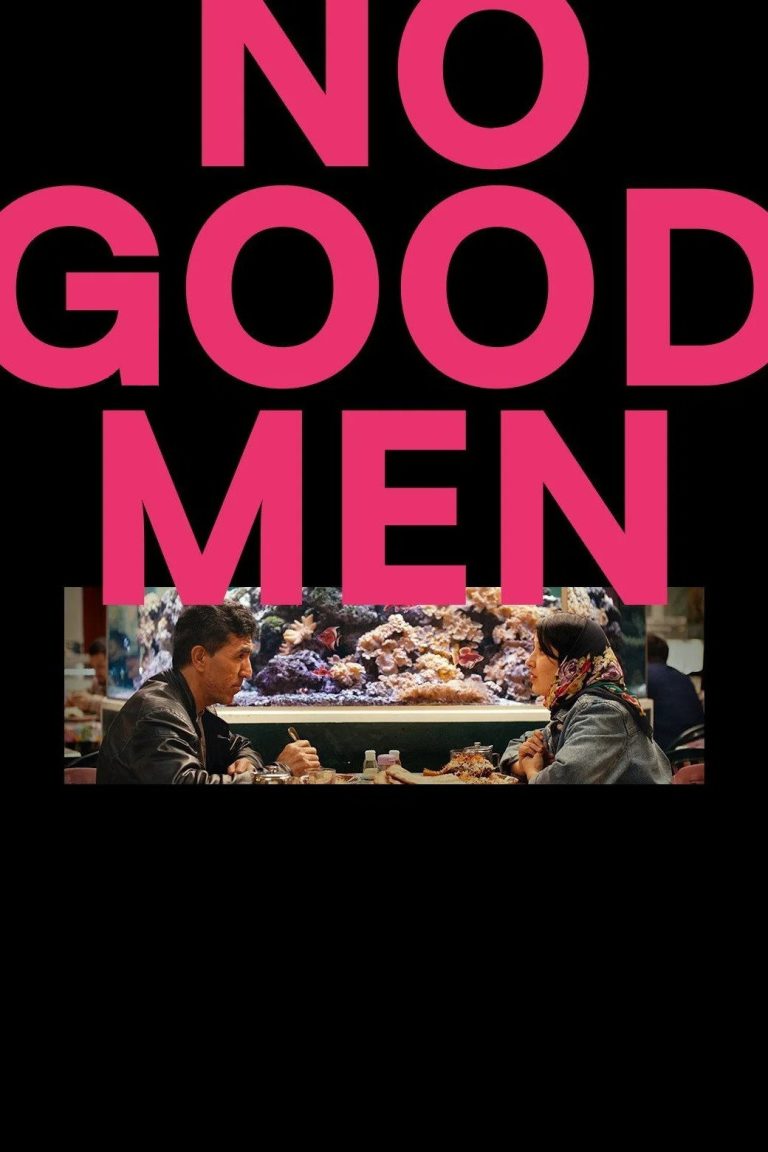
Welcome to today's episode, where we dive into the groundbreaking cinematic milestone, "No Good Men," hailed as the very first Afghan romantic comedy and the prestigious opening film of the 76th Berlin International Film Festival. Directed by, written by, and starring the visionary Shahrbanoo Sadat, this film brilliantly balances the charming, lighthearted tropes of a classic workplace rom-com with the heavy, inescapable reality of an impending political crisis.
Set in Kabul in 2021, just months before the Taliban's devastating return to power, the narrative centers on Naru. As the only female camerawoman at a major Kabul television station, Naru is fiercely independent but deeply exhausted by the systemic misogyny surrounding her. She is navigating a fragile separation from her unfaithful husband while desperately fighting to maintain custody of her three-year-old son. Given her experiences, Naru is absolutely convinced that there are simply no good men left in Afghanistan.
Her cynical worldview is suddenly challenged when she is unexpectedly assigned to work alongside Qodrat, the station's older, married, and highly respected star reporter, played by Anwar Hashimi. As the unlikely duo crisscrosses the bustling, chaotic streets of Kabul to document the city's fleeting final days of freedom, their initial professional friction slowly gives way to a profound, electric connection.
In this episode, we will explore how Sadat masterfully weaves together genuine warmth, naturalistic humor, and quiet romantic longing against the terrifying historical backdrop of the US military withdrawal. We will unpack the stellar, deeply personal performances of the two leads, discuss the film's powerful feminist themes, and examine the complex moral dilemmas presented by their burgeoning relationship. Join us as we discover whether Naru can truly find an exception to her rule in a seemingly hopeless, patriarchal world.
Welcome to another episode of our podcast! In this episode, we dive into the fascinating, multi-faceted world of cinema tied together by a single, unexpected name: Bacon. From Hollywood royalty and high art to savory festival foods, environmental exposés, and moving animal rescue stories, we explore how different films use this word to tell wildly diverse narratives.
First, we sink our teeth into Family Movie, the 2026 meta horror-comedy directed by Kevin Bacon and Kyra Sedgwick. Starring their real-life family as a fictional filmmaking crew, this bloody slasher turns nepotism on its head when real bodies start piling up on their low-budget movie set.
Then, we transition to the high-stakes and intense world of 1960s London with Love Is the Devil: Study for a Portrait of Francis Bacon. This striking biographical drama starring Derek Jacobi and Daniel Craig chronicles the chaotic life, brilliant art, and turbulent, self-destructive romance of the famous painter Francis Bacon.
Taking a lighter turn, we visit Iowa with the 2014 mockumentary State of Bacon, which comically follows the passionate founders and attendees of the world’s largest bacon festival, proving how a shared love for food can bring the most unexpected people together.
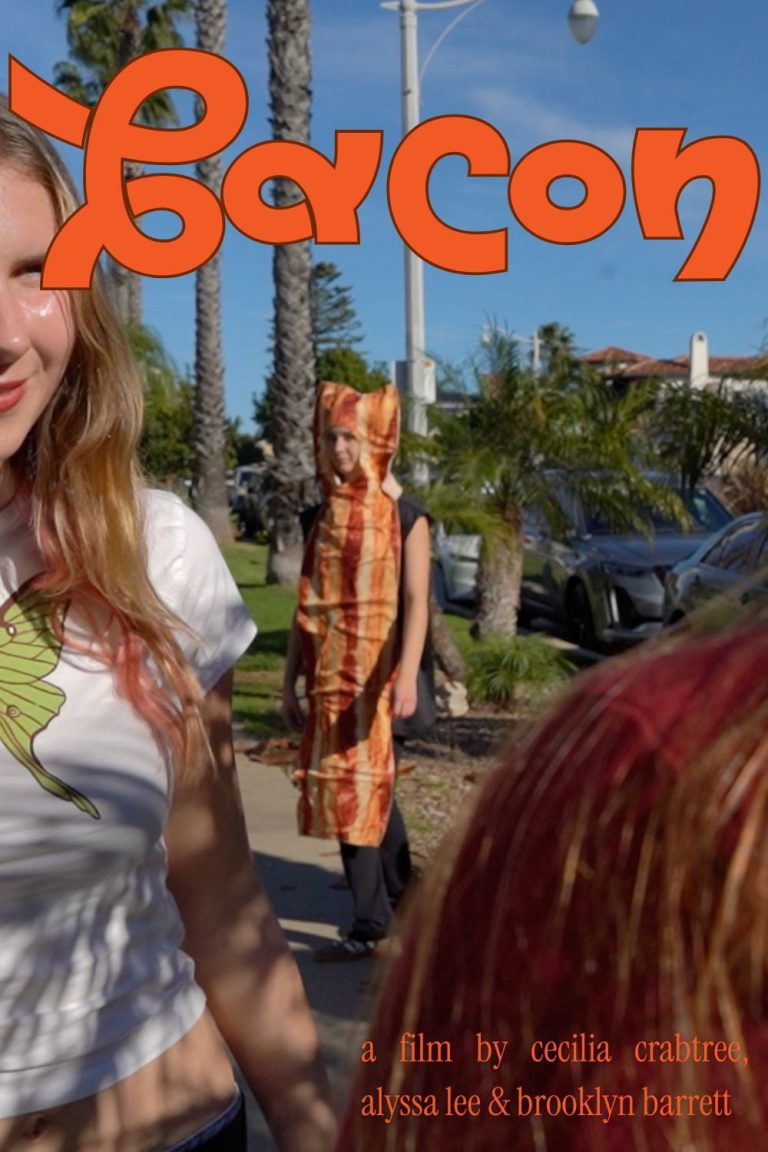
Finally, we explore two poignant works focused on real-world issues. We analyze the 2001 French-Canadian documentary Bacon, le film by Hugo Latulippe, which exposes the severe environmental and social consequences of rapid industrial pig farming in Quebec. We then wrap up with Rui En’s heartwarming Singaporean directorial debut, Bacon, a touching short film inspired by the true story of a stray dog who forever changed the life of an animal rescue founder.
Join us as we connect these unique threads of horror, biography, comedy, advocacy, and compassion, all captured under the banner of Bacon!