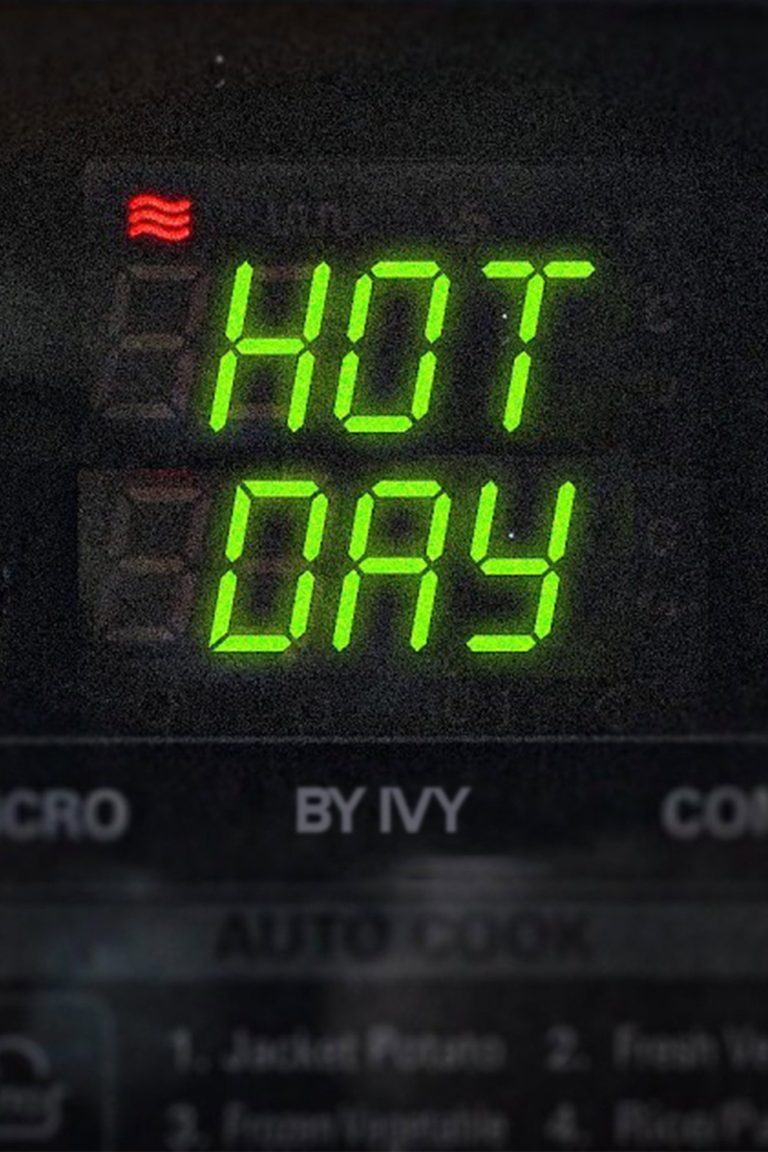
Welcome to this episode of A Ripple Song, where we dive into the quiet brilliance and subtle emotional depth of the award-winning short film, Remains of the Hot Day (Re Tian Wu Hou), directed by Chinese filmmaker Wenqian Zhang. Premiering at the 74th Berlin International Film Festival and capturing the prestigious Silver Bear Jury Prize, this poignant twenty-four-minute work transports viewers to the humid tail end of the 1990s in mainland China.
Set entirely during a single sweltering summer afternoon, the film observes a multi-generational family gathered around a lunch table and resting through a sticky, restless midday nap. Seen through the observational lens of a young girl, the narrative dispenses with conventional dramatic plotlines in favor of a sensory tapestry built from quiet domestic rituals, fleeting glances, and subtle familial tensions. Beneath the oppressive heat and distant rumble of thunder lies a portrait of an era in transition—an absent father chasing economic promise in Shenzhen, a devoted grandmother anchoring the household, and a child quietly navigating the unspoken emotions of the adults around her.
In this episode, we unpack how director Wenqian Zhang transforms personal childhood memories into a poetic slice of life. We explore the film's distinct visual composition, its delicate sensory soundscapes, and how the suffocating summer warmth serves as a living metaphor for suppressed desires and emotional exhaustion. Drawing connections to Zhang's autobiographical documentary, A Long Journey Home, we discuss how intimate family stories reflect broader social transformations across modern China. Join us as we dissect what makes this brief, atmospheric masterpiece such a standout reflection on childhood, nostalgia, and the enduring residue of time.
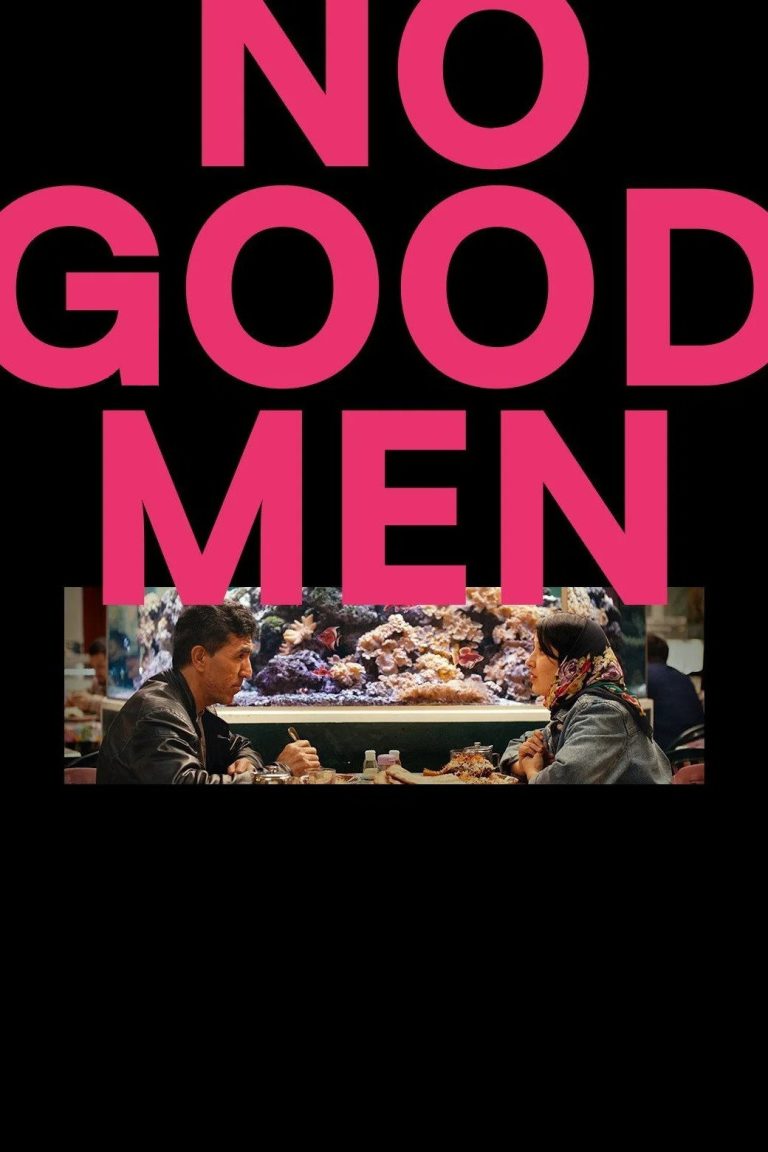
Welcome to today's episode, where we dive into the groundbreaking cinematic milestone, "No Good Men," hailed as the very first Afghan romantic comedy and the prestigious opening film of the 76th Berlin International Film Festival. Directed by, written by, and starring the visionary Shahrbanoo Sadat, this film brilliantly balances the charming, lighthearted tropes of a classic workplace rom-com with the heavy, inescapable reality of an impending political crisis.
Set in Kabul in 2021, just months before the Taliban's devastating return to power, the narrative centers on Naru. As the only female camerawoman at a major Kabul television station, Naru is fiercely independent but deeply exhausted by the systemic misogyny surrounding her. She is navigating a fragile separation from her unfaithful husband while desperately fighting to maintain custody of her three-year-old son. Given her experiences, Naru is absolutely convinced that there are simply no good men left in Afghanistan.
Her cynical worldview is suddenly challenged when she is unexpectedly assigned to work alongside Qodrat, the station's older, married, and highly respected star reporter, played by Anwar Hashimi. As the unlikely duo crisscrosses the bustling, chaotic streets of Kabul to document the city's fleeting final days of freedom, their initial professional friction slowly gives way to a profound, electric connection.
In this episode, we will explore how Sadat masterfully weaves together genuine warmth, naturalistic humor, and quiet romantic longing against the terrifying historical backdrop of the US military withdrawal. We will unpack the stellar, deeply personal performances of the two leads, discuss the film's powerful feminist themes, and examine the complex moral dilemmas presented by their burgeoning relationship. Join us as we discover whether Naru can truly find an exception to her rule in a seemingly hopeless, patriarchal world.