Welcome to this podcast episode where we dive deep into the 2017 British sci-fi thriller, Time Will Tell, directed by Tonnie Dinjens. The film follows Kim Temple, a rebellious teenager played by Louisa Connolly-Burnham, who suffers from a peculiar affliction: severe emotional stress causes her to suddenly lose consciousness. However, these fainting fits conceal an extraordinary power. Whenever Kim blackouts, her mind travels back into her past, allowing her to observe pivotal events from her life as an invisible bystander.
When Kim learns that her estranged, criminal father is about to be released from prison, her anxiety spirals. After catching a terrifying glimpse of a past tragedy involving her father, Kim becomes obsessed with uncovering the truth to ensure he stays behind bars. Aided by her supportive new friend Eddy, played by McKell David, Kim begins deliberately putting herself in increasingly dangerous and frightening situations to induce deeper, more revealing sleeping fits.
Yet, unraveling the past comes at a terrible price. As Kim repeatedly forces herself into emotional and physical peril, her health drastically declines, making her investigation a life-threatening race against time. Blending urban fantasy, suspense, and psychological drama, Time Will Tell tackles complex themes of childhood trauma, hidden family secrets, and the fragile nature of memory.
In this episode, we break down the film's unique take on time travel, explore its shocking narrative twists, evaluate the strong lead performances, and examine its handling of timeline paradoxes and memory manipulation. Whether you are a fan of mind-bending thrillers, indie cinema, or temporal mysteries, join us as we discuss whether Kim can expose the secrets of her past before her condition costs her everything.
Welcome to this episode of A Ripple Song, where we dive into the quiet brilliance and subtle emotional depth of the award-winning short film, Remains of the Hot Day (Re Tian Wu Hou), directed by Chinese filmmaker Wenqian Zhang. Premiering at the 74th Berlin International Film Festival and capturing the prestigious Silver Bear Jury Prize, this poignant twenty-four-minute work transports viewers to the humid tail end of the 1990s in mainland China.
Set entirely during a single sweltering summer afternoon, the film observes a multi-generational family gathered around a lunch table and resting through a sticky, restless midday nap. Seen through the observational lens of a young girl, the narrative dispenses with conventional dramatic plotlines in favor of a sensory tapestry built from quiet domestic rituals, fleeting glances, and subtle familial tensions. Beneath the oppressive heat and distant rumble of thunder lies a portrait of an era in transition—an absent father chasing economic promise in Shenzhen, a devoted grandmother anchoring the household, and a child quietly navigating the unspoken emotions of the adults around her.
In this episode, we unpack how director Wenqian Zhang transforms personal childhood memories into a poetic slice of life. We explore the film's distinct visual composition, its delicate sensory soundscapes, and how the suffocating summer warmth serves as a living metaphor for suppressed desires and emotional exhaustion. Drawing connections to Zhang's autobiographical documentary, A Long Journey Home, we discuss how intimate family stories reflect broader social transformations across modern China. Join us as we dissect what makes this brief, atmospheric masterpiece such a standout reflection on childhood, nostalgia, and the enduring residue of time.
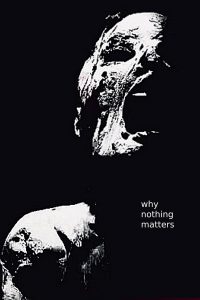
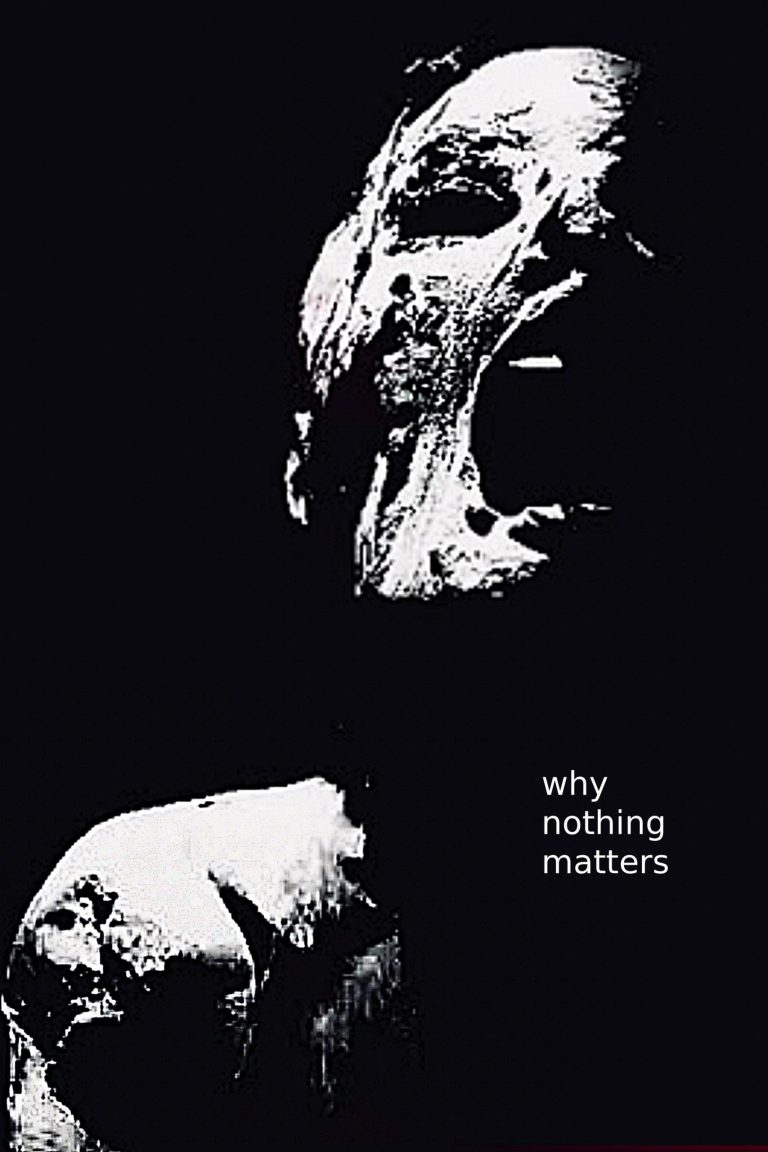
Welcome to Why Nothing Matters, the podcast where we dive deep into the void of cinema to discover why staring into the abyss of existence might just be the most liberating thing you can do. In an era marked by cultural dread, climate anxiety, and digital isolation, more and more audiences are seeking movies that actively provoke and challenge our sense of reality rather than offering passive escapism. From indie gems to multiversal blockbusters, we explore how filmmakers use the screen to grapple with the ultimate question: what do we do when life stops making sense?
In this podcast, we unpack the delicate line between despairing nihilism and liberating existentialism through some of cinema's most fascinating works. We discuss A24's Academy Award-winning masterpiece, Everything Everywhere All at Once, where multiversal chaos becomes a moving metaphor for generational trauma and the battle between the nihilistic 'everything bagel' and the strategic power of simple kindness. We journey into the surreal with Vincenzo Natali's bizarre 2003 comedy Nothing, which strips the world away into a blank white space to reveal that when everything is gone, friendship and connection are what remain. And we look at the Gen Z experience through Wesley Wang's award-winning short, nothing, except everything, revealing how the youngest generation is authentically decoding modern chaos to find that if nothing matters, we are finally free to live like everything does.
Whether you are navigating your own existential crisis or are simply a cinephile hungry for storytelling with philosophical weight, this show is your guide to the beautiful terror of being alive. Join us as we embrace the quiet silences, dismantle the comfortable illusions, and learn that when nothing matters, we get to choose what does.
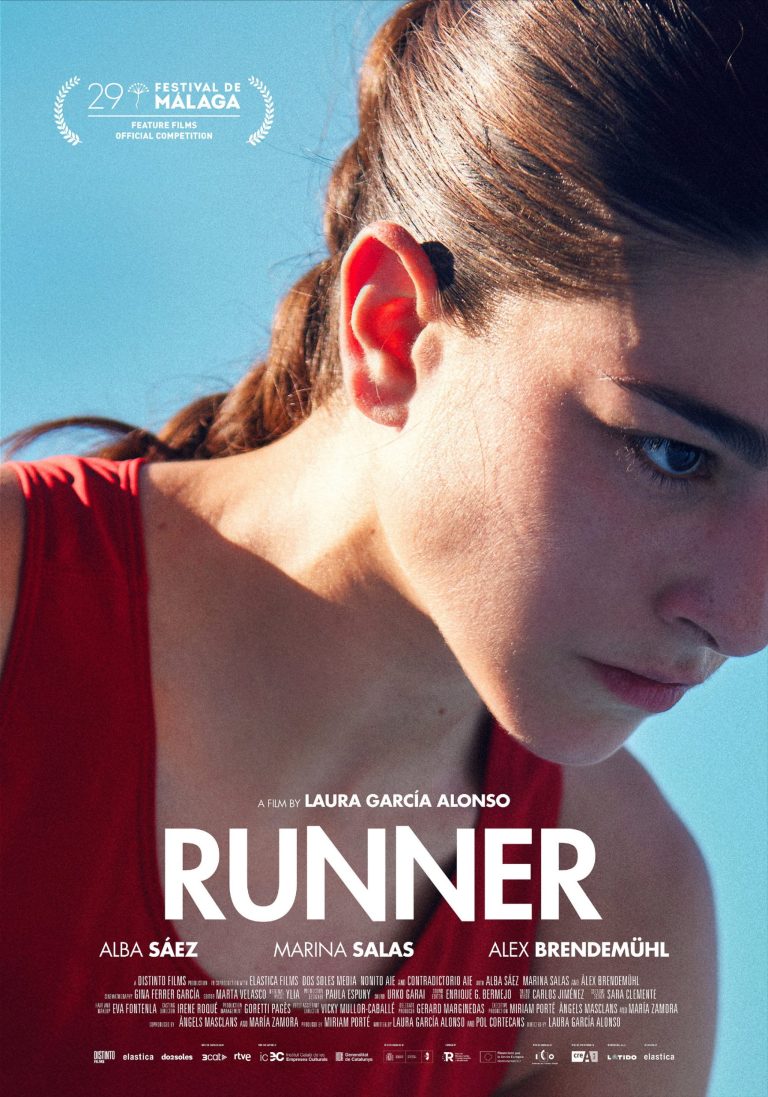
Welcome to our latest podcast episode, where we take a deep dive into the fascinating cinematic universe of films titled "Runner." In this episode, we explore how a single title can encapsulate completely different worlds, themes, and emotional journeys across decades of filmmaking.
We kick things off by traveling back to 1984 to analyze Amir Naderi's groundbreaking Iranian masterpiece, "The Runner." We unpack the profound psychological and historical layers of this seminal film, discussing how its young protagonist, Amiro, embodies the traumatic clash between traditional society and the overwhelming forces of Western modernization. We explore the movie's striking imagery of massive machines—trains, ships, and airplanes—as objects of both deep desire and destructive power, capturing the existential struggles of a war-torn, developing nation.
Then, we fast-forward to the high-octane present to preview the highly anticipated 2026 American action-thriller, "Runner." Directed by Scott Waugh and starring Alan Ritchson alongside Owen Wilson, we discuss the intense premise of a courier racing against time to deliver a life-saving organ while evading a ruthless cartel. We contrast this pure, adrenaline-fueled blockbuster entertainment with the deeply philosophical undertones of Naderi's classic, highlighting how the concept of "running" shifts from a metaphor for survival and social mobility to literal, edge-of-your-seat evasion.
Along the way, we also touch upon the broader cultural impact of the "runner" motif in cinema, including the legendary neo-noir world of Ridley Scott's "Blade Runner" and the upcoming British abduction thriller "The Runner" starring Gal Gadot. Whether you are a fan of thoughtful international art-house cinema, classic science fiction, or explosive modern action thrillers, this episode offers a comprehensive look at the runners who have raced across the silver screen. Join us for a thrilling ride!
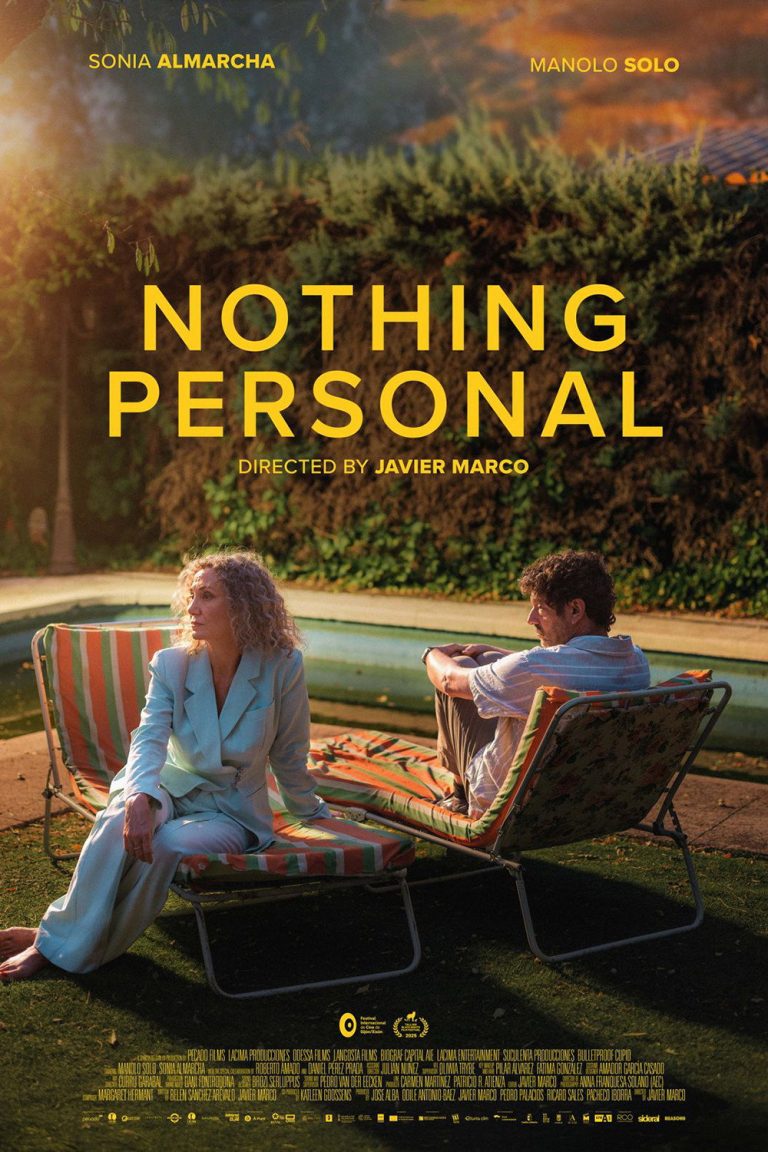
Welcome to this episode of our podcast, where we dive into the cinematic depths of two remarkably different films that share a single, evocative title: Nothing Personal. In this compelling double feature, we explore how two distinct eras of filmmaking utilize the Irish landscape to tell gripping stories of conflict, isolation, and human connection.
First, we journey back to Thaddeus O'Sullivan’s gritty 1995 drama set in the claustrophobic streets of 1975 Belfast. We discuss how this intense film captures the terror of the Northern Irish Troubles, offering a rare, uncompromising look at Loyalist paramilitaries. Through powerful performances and a chilling portrayal of sectarian violence, this classic strips away the romanticism of rebellion, leaving viewers with a harrowing look at the tragic cost of political fanaticism and the destruction of innocence.
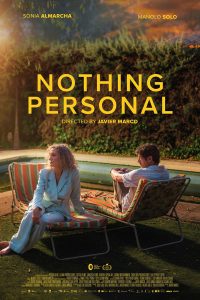
Next, we shift our focus to the critically acclaimed 2009 Dutch-Irish co-production directed by Urszula Antoniak. Leaving the urban warfare of Belfast behind, this beautifully austere film takes us to the rugged, isolated coast of Connemara. Here, the conflict is deeply internal. We analyze the delicate, unspoken bond that forms between a fiercely solitary Dutch drifter and a quiet Irish widower. This segment of the episode examines the movie’s masterful use of minimal dialogue, raw natural beauty, and its profound exploration of grief, emotional barriers, and the basic human need for companionship.
Join us as we unpack these two cinematic gems. Whether examining the external devastation of a divided society or the quiet, internal struggle of two lonely souls finding solace in the wilderness, this episode reveals why both versions of Nothing Personal are unforgettable explorations of the human condition. Tune in for an insightful journey into history, psychology, and the art of storytelling.
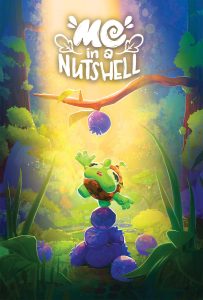
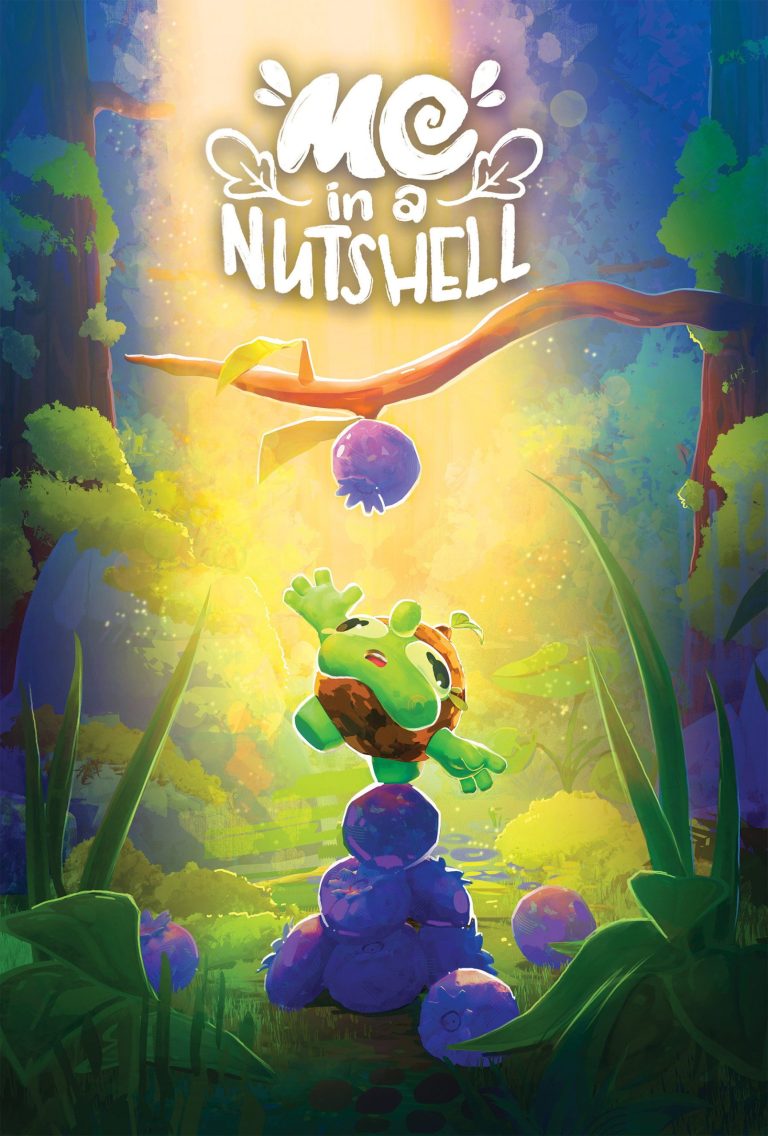
Welcome to this special podcast episode where we dive into the magical and heartfelt world of "Me in a Nutshell," a beautifully crafted animated short film created by the talented senior class of 2026 at the Savannah College of Art and Design. In today’s discussion, we explore the charming and visually captivating story of a tiny, inquisitive forest creature simply named "Me."
Our episode follows the narrative arc of this little protagonist whose boundless curiosity and innocent wonder lead him into a rather sticky situation—getting physically trapped inside a giant nutshell. We break down the animation techniques and storytelling devices used to portray his frantic, desperate, and often humorous attempts to escape his woody prison. But this film is much more than a simple survival story. We will unpack the deeper layers of the narrative, examining how the creators masterfully weave together the lighthearted theme of childlike wonder with the much more profound and relatable concept of adult acceptance.
Join our hosts as they analyze the metaphorical weight of being stuck in a nutshell and how the creature's journey mirrors our own struggles with feeling confined by our circumstances. We will also shine a spotlight on the incredible behind-the-scenes effort of the student team, who dedicated an entire year to bringing this project to life from initial concept to the final screen. Whether you are an animation enthusiast, an art student, or simply a lover of touching cinematic experiences, this episode provides a comprehensive look into a heartfelt story designed for all audiences to enjoy. Tune in as we celebrate creativity, resilience, and the beautiful artistry behind "Me in a Nutshell."
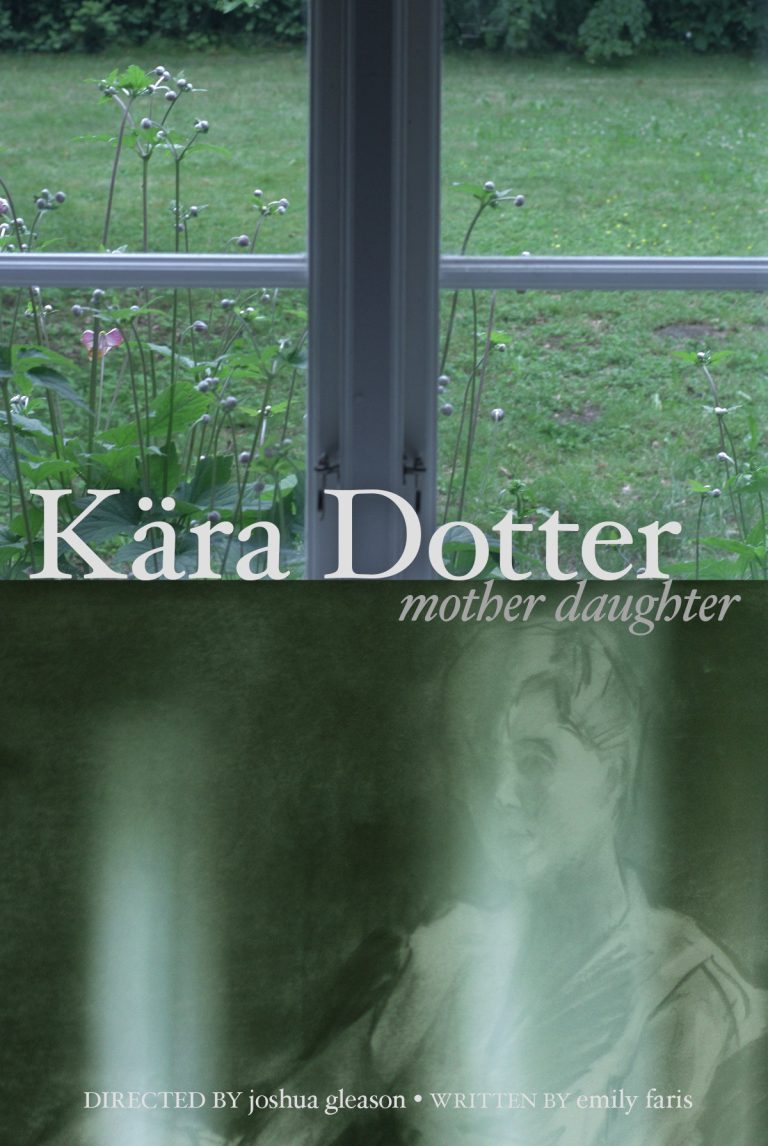
Welcome to today's episode, where we dive deep into one of cinema’s most complex, volatile, and compelling bonds: the mother-daughter relationship. From heartwarming comedies to intense emotional dramas, filmmakers have long explored the profound layers of love, tension, and growth that define this unique dynamic. In this episode, we unpack how various movies portray the evolution of motherhood and daughterhood across the globe.
We will take a fun ride with lighthearted road trips and body-swap comedies like Broad Trip and the classic Freaky Friday, exploring how humor bridges the generational gap. Then, we transition into the nuanced coming-of-age struggles depicted in Greta Gerwig’s masterpieces such as Lady Bird, Little Women, and Barbie, where the poignant realization that mothers were once daughters themselves takes center stage. Our cinematic journey also travels internationally, examining the inspiring sacrifices and ambitions in Indian dramas such as MyLek, Secret Superstar, and Nil Battey Sannata. We will also touch upon the profound grief and healing in the emotional adaptation Regretting You and revisit the timeless, tear-jerking depth of Terms of Endearment. Finally, we discuss groundbreaking contemporary narratives like the Chinese film Her Story, which boldly deconstructs traditional, sanctified myths of motherhood to present an equal, empowering, and modern dialogue between generations.
Whether it is an overbearing but loving mother, a rebellious teenager seeking independence, or two women simply trying to understand each other in a patriarchal world, these films show that the mother-daughter bond is rarely simple, but always deeply beautiful. Join us as we analyze the psychology, the tears, the laughter, and the unforgettable cinematic moments that make these relationships resonate so powerfully with audiences worldwide. Grab your popcorn and settle in for a heartfelt exploration of mothers, daughters, and the movies that bring their stories to life.