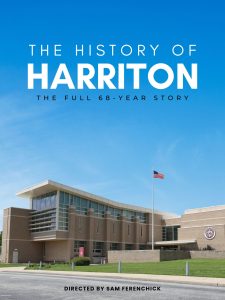
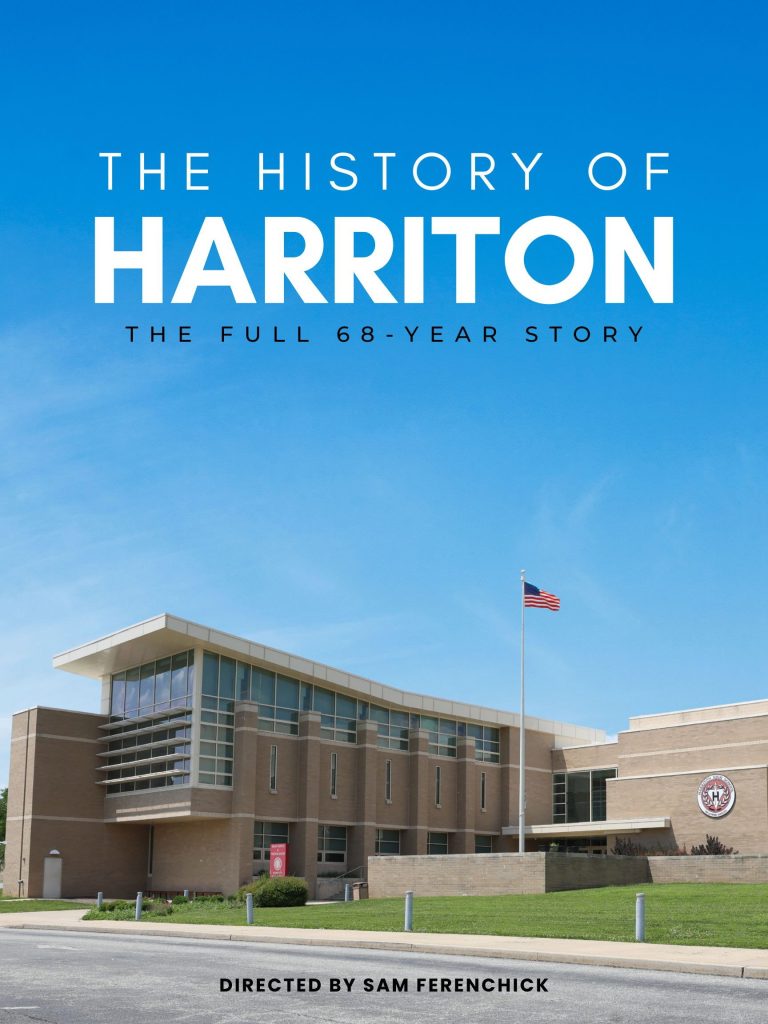
In this episode of our podcast, we take a captivating deep dive into The History of Harriton, a remarkable feature-length documentary created by student filmmaker Sam Ferenchick. While Harriton High School is celebrated today for its competitive culture, distinguished extracurriculars, and stellar educational quality since its founding in 1958, the land it occupies holds a much deeper and more complex American story.
We explore how this documentary brilliantly bridges the gap between a modern educational powerhouse and the centuries-old legacy of the Harriton estate. We unpack the 17th-century origins of the property, moving from Rowland Ellis’s early Welsh settlement to Richard Harrison’s lucrative tobacco plantation, which was built on the grim realities of enslaved labor. The narrative then shifts to an inspiring turning point when Charles Thomson, an ardent abolitionist and the Secretary of the Continental Congress, married into the family and helped change the estate's trajectory.
Featuring insights from interviews with past and present teachers, administrators, and students, the film connects the everyday experiences of contemporary high schoolers to the foundational struggles of the nation. Join us as we discuss the profound historical truths unearthed in this student-led project, exploring how it courageously confronts the dark chapters of the past while celebrating the community's evolution. Whether you are a history enthusiast, an educator, or simply a fan of compelling documentary filmmaking, this episode offers a thought-provoking look at how local history shapes the institutions we walk through every day.
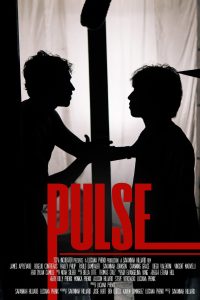
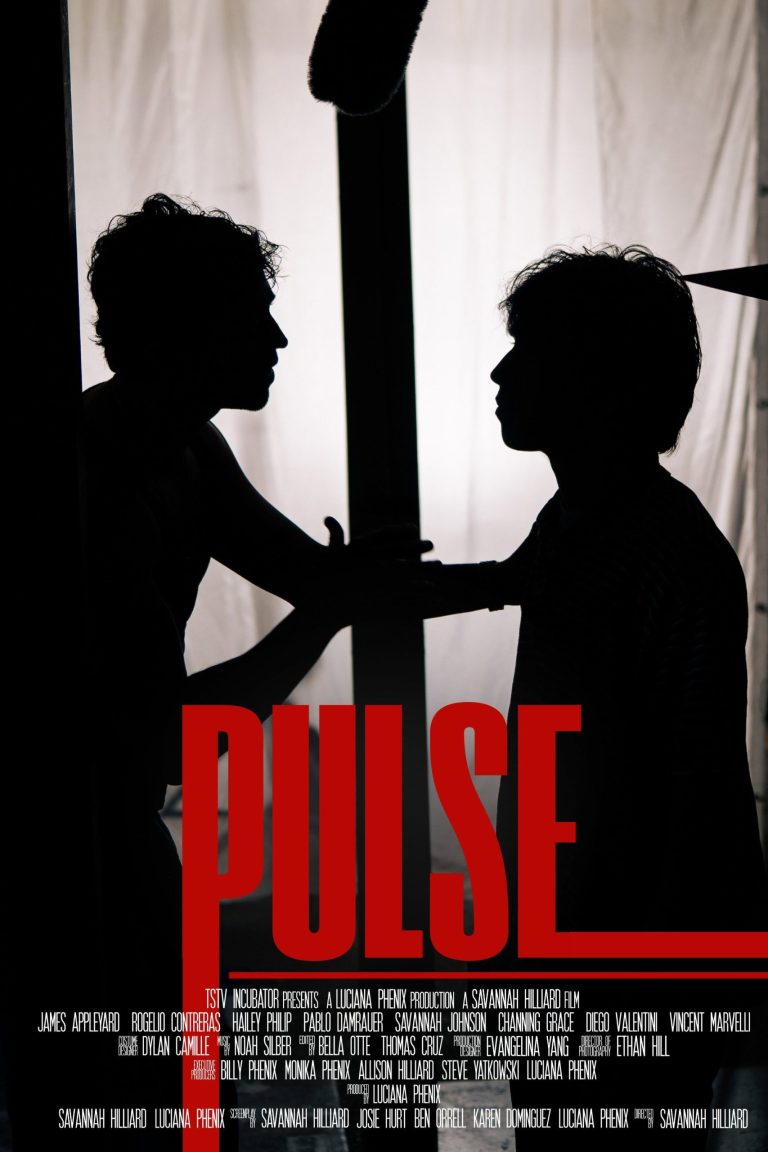
Welcome to this week's episode where we dive deep into the chilling world of "Pulse," a film that transformed our everyday technology into a gateway for absolute terror. Long before smartphones and social media completely took over our lives, Kiyoshi Kurosawa’s 2001 Japanese horror masterpiece, originally titled "Kairo," anticipated the deeply isolating nature of the internet.
In this episode, we explore the eerie and apocalyptic vision of Kurosawa's original film, where two parallel storylines reveal a Tokyo slowly being consumed by ghosts invading the physical world through computer screens. We discuss the movie's unique approach to horror, eschewing cheap jump scares for a deeply unsettling, existential dread that lingers long after the credits roll. Why do the characters slowly lose their will to live, fading into mere black stains on the wall? We unpack the film's profound message: that in an overcrowded, hyper-connected digital age, humanity's greatest enemy is actually its own profound loneliness.
We will also take a look at the 2006 American remake starring Kristen Bell and Ian Somerhalder. We will compare how the Hollywood adaptation shifts the focus from psychological and atmospheric tension to a more conventional techno-thriller narrative involving a deadly computer virus and fast-paced scares.
Join us as we break down the most terrifying scenes, the stark differences between the Japanese original and the Western remake, and why "Pulse" remains one of the most prophetic and profoundly disturbing horror experiences of the twenty-first century. Plug in your headphones, check your internet connection, and make sure you are not truly alone in the room. Tune in now for a spine-tingling discussion!
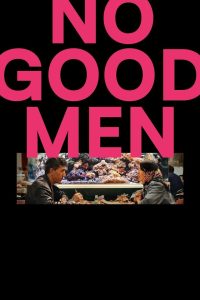
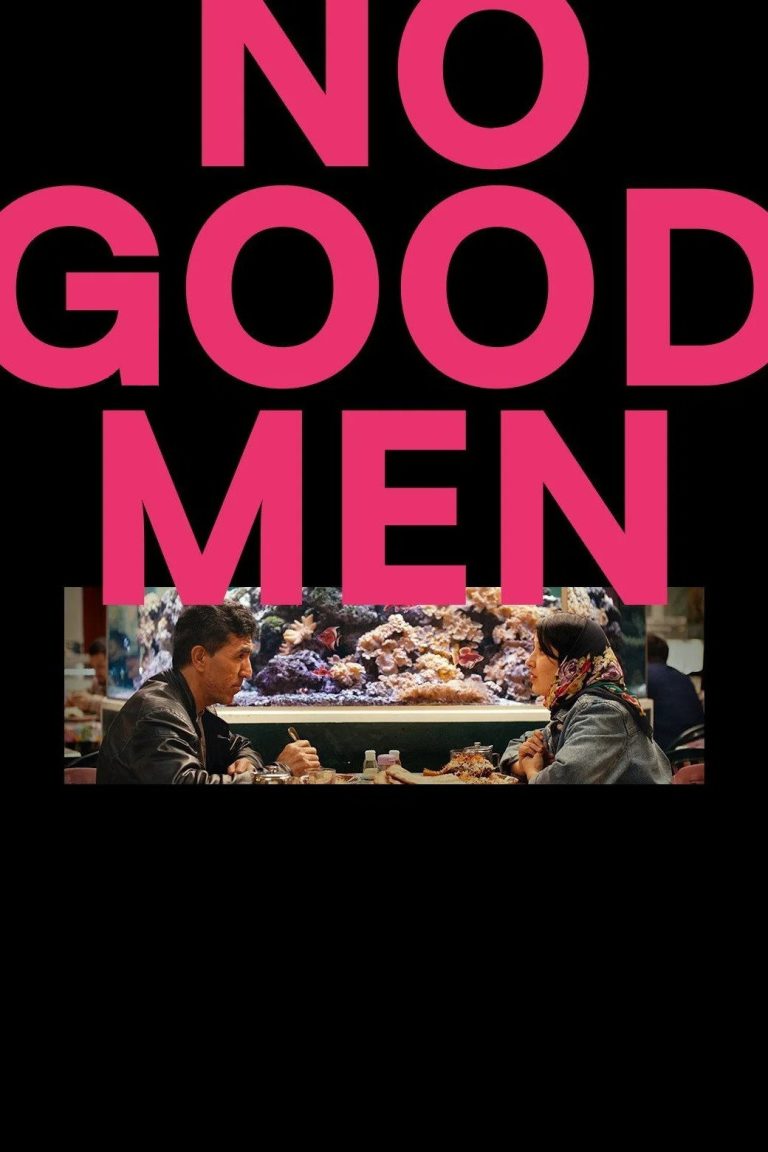
Welcome to today's episode, where we dive into the groundbreaking cinematic milestone, "No Good Men," hailed as the very first Afghan romantic comedy and the prestigious opening film of the 76th Berlin International Film Festival. Directed by, written by, and starring the visionary Shahrbanoo Sadat, this film brilliantly balances the charming, lighthearted tropes of a classic workplace rom-com with the heavy, inescapable reality of an impending political crisis.
Set in Kabul in 2021, just months before the Taliban's devastating return to power, the narrative centers on Naru. As the only female camerawoman at a major Kabul television station, Naru is fiercely independent but deeply exhausted by the systemic misogyny surrounding her. She is navigating a fragile separation from her unfaithful husband while desperately fighting to maintain custody of her three-year-old son. Given her experiences, Naru is absolutely convinced that there are simply no good men left in Afghanistan.
Her cynical worldview is suddenly challenged when she is unexpectedly assigned to work alongside Qodrat, the station's older, married, and highly respected star reporter, played by Anwar Hashimi. As the unlikely duo crisscrosses the bustling, chaotic streets of Kabul to document the city's fleeting final days of freedom, their initial professional friction slowly gives way to a profound, electric connection.
In this episode, we will explore how Sadat masterfully weaves together genuine warmth, naturalistic humor, and quiet romantic longing against the terrifying historical backdrop of the US military withdrawal. We will unpack the stellar, deeply personal performances of the two leads, discuss the film's powerful feminist themes, and examine the complex moral dilemmas presented by their burgeoning relationship. Join us as we discover whether Naru can truly find an exception to her rule in a seemingly hopeless, patriarchal world.
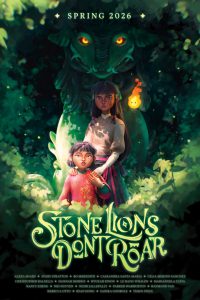
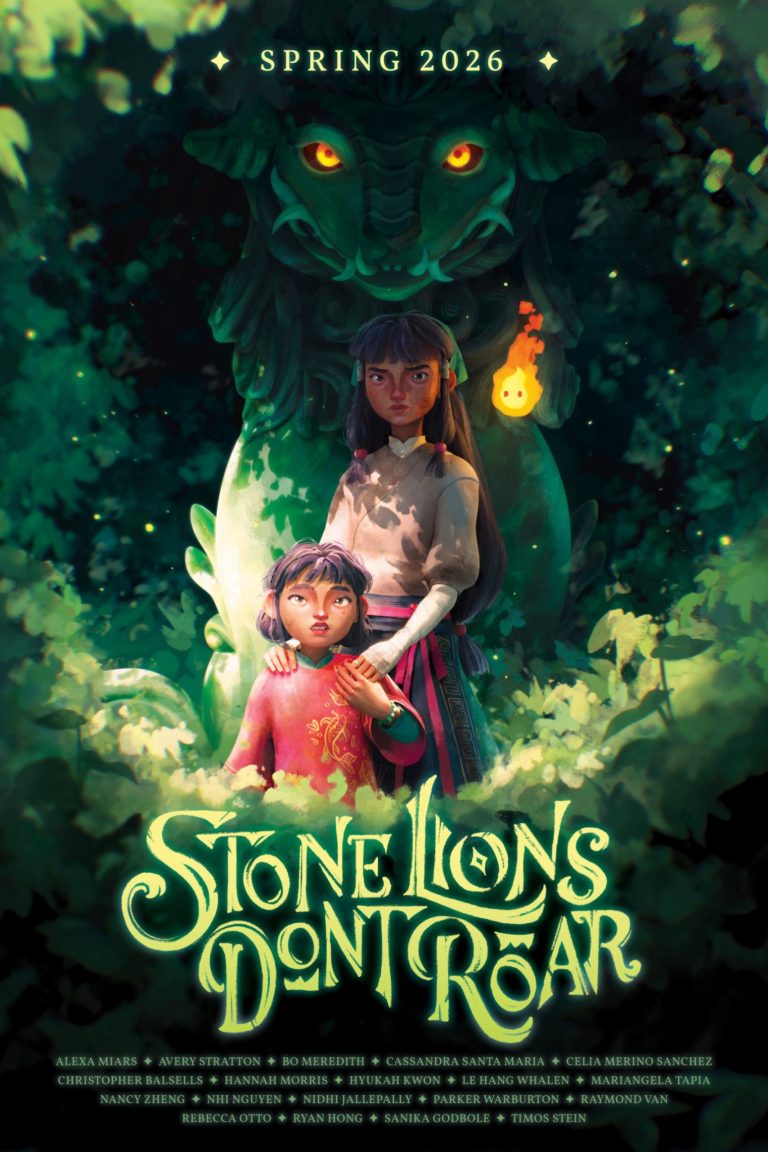
Welcome to today's episode, where we dive into the breathtaking animated short film, Stone Lions Don't Roar. Directed by Le Hang Whalen and created by a talented team of students from the Savannah College of Art and Design, this visually stunning masterpiece recently took first place at the 2025 MAKE Animation Thesis Grant.
Set against the backdrop of a fantastical sixteenth-century Vietnam, the film introduces us to a unique world where human emotions physically manifest as living beasts. We follow the journey of two orphaned sisters, Chi and Em, as they navigate a dangerous, militarily occupied countryside. The older sister carries her emotional burden quite literally as a heavy stone lion caged on her back, while the younger sister is guided by a delicate flame wisp. As their fraught relationship is tested by the harsh realities of their war-torn world, they must confront their inner beasts and each other to survive.
Entirely hand-painted in 3D, the film boasts a striking impressionistic style that perfectly captures the tone of a timeless folktale. Beyond its incredible technical achievements, Stone Lions Don't Roar is a deeply personal story about grief, family, and the heavy burdens of responsibility. It asks a profound question: what happens when we finally find the courage to face our difficult emotions instead of hiding them away? Join us as we explore the rich cultural roots, brilliant animation techniques, and the powerful message behind this award-winning cinematic journey.
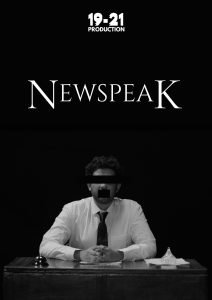
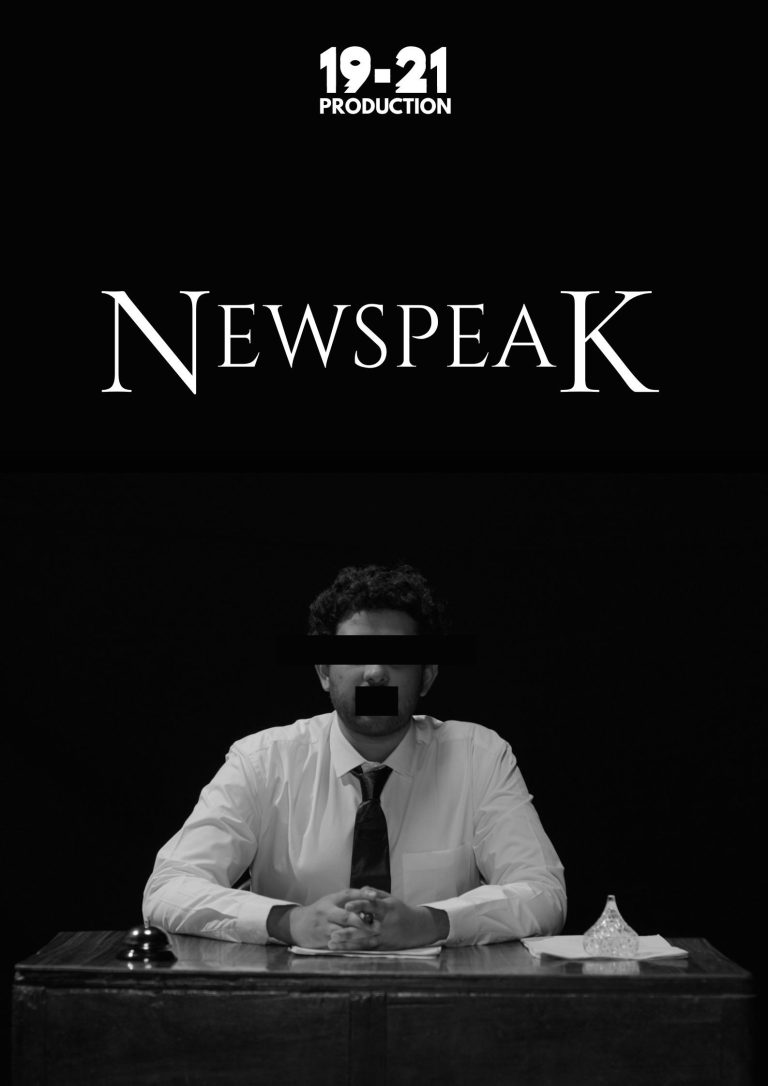
Welcome to our latest podcast episode where we dive deep into the chilling world of George Orwell's 1984, exploring how cinema has interpreted his ultimate warning to humanity. While many major film adaptations heavily focus on the visual terrors of the surveillance state—telescreens, Room 101, and the ever-watching eyes of Big Brother—they often miss the true heart of Orwell's dystopian nightmare: the weaponization of language.
In this episode, we unpack the terrifying mechanics of Newspeak, the constructed language engineered by the totalitarian regime of Oceania. We discuss how the deliberate reduction of vocabulary and the simplification of grammar are designed not just to control speech, but to make rebellious thoughts and critical thinking literally impossible. By analyzing various cinematic interpretations, from Michael Radford's bleak and beautiful 1984 classic to Diana Ringo's recent adaptation and Raoul Peck's urgent documentary Orwell: 2+2=5, we examine why film as a visual medium often struggles to fully capture the psychological horror of a shrinking language.
We also bring the discussion into the twenty-first century, exploring the sociolinguistics of power and identity. How does the concept of Newspeak mirror today's digital landscape of misinformation, political propaganda, and doublethink? Can the manipulation of words fundamentally erase human autonomy, or can language still serve as a powerful tool for resistance? Join us as we dissect the mechanics of thought control, the erasure of individual identity, and why Orwell's warnings about the corruption of language remain more urgent and relevant today than ever before. Tune in to understand why the real threat isn't just someone watching your every move, but someone controlling your every word.
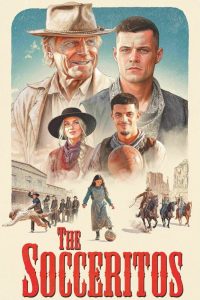
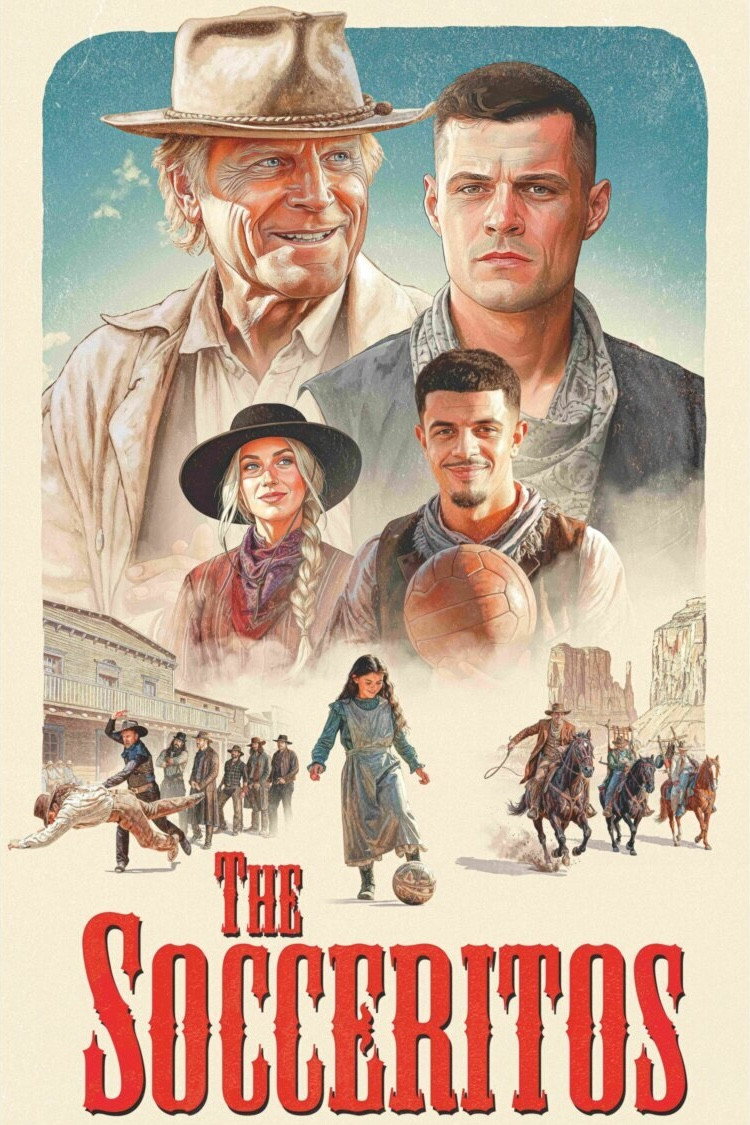
Welcome to this episode where we dive into one of the most unexpected and creative marketing campaigns of the 2026 World Cup season: the short film The Socceritos. Produced by the Swiss discount supermarket chain Denner and directed by Reto Salimbeni, this sixteen-minute cinematic piece breaks all the rules of traditional retail advertising. Instead of promoting weekly discounts and cheap groceries, Denner delivered a full-fledged Italo-Western.
Join us as we explore the charming plot of The Socceritos. The film stars eighty-seven-year-old Western legend Terence Hill alongside Swiss national team football stars Granit Xhaka and Zeki Amdouni, as well as Croatian player Ana Maria Markovic. We discuss how these characters travel from town to town in the Wild West, determined to introduce the locals to the game of soccer. We will break down the film's climax, where the heroes must face off against a skeptical villain named Stark. The ultimate showdown isn't a traditional gunfight, but a high-stakes challenge to juggle a soccer ball one hundred times without letting it touch the dusty ground.
Beyond the entertaining storyline, our podcast episode unpacks the brilliant branding strategy behind the film. We analyze how Denner draws a clever parallel between the pioneering spirit of the Socceritos bringing football to the frontier and the company's own history of introducing the discount retail model to Switzerland in the nineteen sixties. Furthermore, we touch upon the fascinating intersection of nostalgia and modern technology, exploring the controversial use of artificial intelligence to recreate the voice of Terence Hill's late German dubbing actor.
Whether you are a die-hard fan of classic Spaghetti Westerns, a football enthusiast gearing up for the World Cup, or a marketing professional fascinated by brand storytelling, this deep dive offers something for everyone. Tune in to discover how a supermarket won the summer without ever mentioning a price tag.
Welcome to today's episode, where we dive deep into the cinematic universe of America's fastest-growing obsession: pickleball. Hollywood has officially caught the fever, and we are breaking down everything you need to know about the sport's massive leap to the big screen.
Our main event is a deep dive into the highly anticipated 2026 Apple Original comedy, The Dink. Starring Jake Johnson, Ben Stiller, Mary Steenburgen, and Ed Harris, this hilarious underdog story follows a washed-up tennis prodigy who is forced to do the unthinkable and play pickleball to save his father's suburban country club. We will discuss what this star-studded blockbuster, complete with epic cameos from tennis legends Andy Roddick and John McEnroe, means for the sport's mainstream explosion.
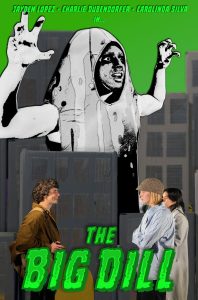
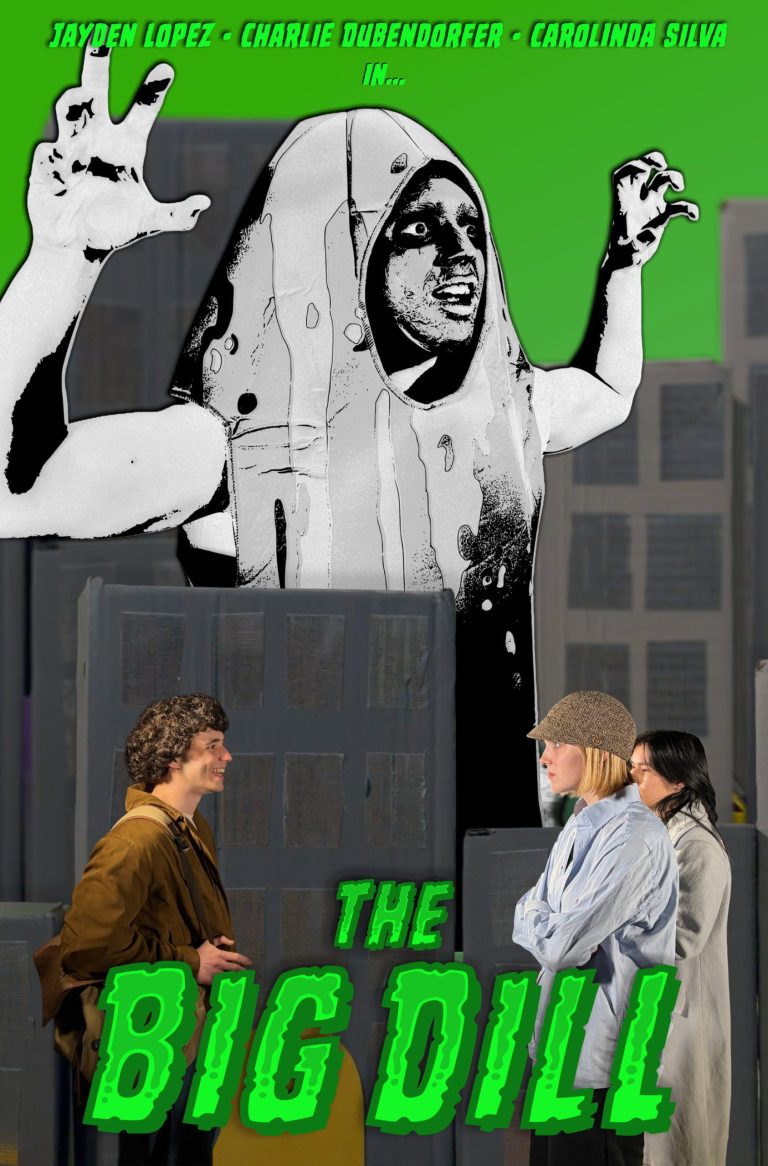
We will also contrast this Hollywood blockbuster with the gritty, real-world passion found in The Big Dill Pickleball Las Vegas. This reality-style documentary takes us off the scripted Hollywood sets and onto the authentic courts, following everyday players fueled by their love for the game as they compete in a high-stakes tournament.
From blockbuster laughs to unscripted documentary drama, we explore how pickleball is transitioning from community recreation centers to global streaming platforms. Whether you are a dedicated tournament player, a stubborn tennis traditionalist, or just a movie lover looking for the next great sports comedy, this episode serves up all the details. Grab your paddles, step up to the kitchen line, and let us get started!
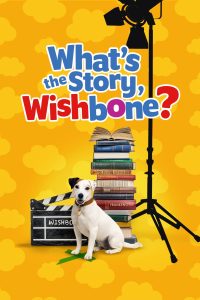
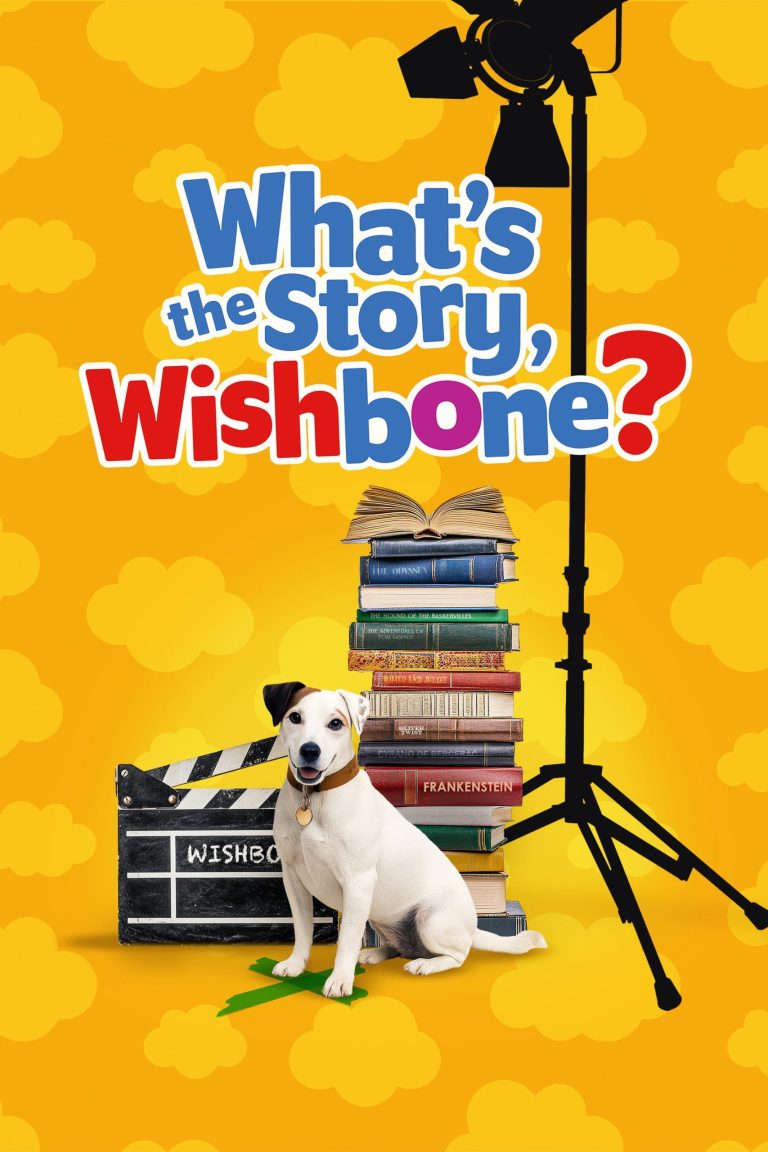
Welcome to today's episode, where we take a nostalgic journey back to the 1990s to celebrate a television icon who introduced an entire generation to classic literature—a little Jack Russell Terrier with a big imagination. Today, we are diving deep into the heartwarming new 2026 documentary, "What's the Story, Wishbone?"
For kids growing up in the 90s, the PBS series Wishbone was an absolute staple. The show brilliantly blended contemporary coming-of-age lessons with epic literary tales like The Odyssey, Joan of Arc, and Pride and Prejudice. But how did a small production crew in Texas manage to film elaborate historical reenactments starring a real dog on such a tight weekly schedule?
In this episode, we explore the incredible behind-the-scenes magic revealed in the new documentary. Directed by the show's original assistant director, Joey Stewart, the film reunites the passionate cast and crew, including series creator Rick Duffield, producer Betty Buckley, and the iconic voice of Wishbone, Larry Brantley. We will discuss the extraordinary technical challenges they faced—from intricate costume designs and sprawling historical sets to the brilliant performance of Soccer, the talented canine star who brought the character to life.
Join us as we pull back the curtain on this Emmy and Peabody Award-winning series. We will examine how a dedicated team refused to talk down to their young audience, successfully navigating heavy themes without losing their family-friendly charm. Ultimately, they created a cultural phenomenon that sparked a lifelong love of reading for millions. Get ready to revisit the town of Oakdale and uncover the enduring, magical legacy of everyone's favorite literary dog!
Welcome to another thrilling episode of our podcast! Today, we dive deep into the terrifying and suspenseful world of claustrophobic cinema, specifically exploring movies where characters are trapped in a confined space with a chilling premise: only one person can leave. We will unpack the psychological torment, the desperate bids for survival, and the dark sides of human nature that emerge when the walls close in.
Our discussion kicks off with intense death-game scenarios like House of 9, where nine strangers are abducted, locked inside a mansion, and forced to kill one another until a lone survivor claims a five million dollar prize. We also explore grueling psychological experiments such as The Immaculate Room, where a couple must endure fifty days in a perfectly sterile, white room with absolutely no stimulation for a massive cash reward, only to face severe mental breakdowns, paranoia, and betrayal.
Beyond the battle royale style, we examine films that turn the very concept of a sanctuary into a nightmare. We look at David Fincher's Panic Room, analyzing how a reinforced safe haven becomes a tense battleground between a mother and brutal intruders. We also discuss Escape Room, where seemingly innocent puzzles become lethal traps tailored to the traumatic pasts of the players, and The Room, where a magical space grants every material wish but exacts a devastating emotional toll.
Join us as we explore why these single-location thrillers keep audiences completely on the edge of their seats. We will analyze the recurring themes of greed, morality, trauma, and the primal instinct to survive against all odds. Grab your headphones, lock your doors, and prepare for a pulse-pounding episode. Could you survive the room? Tune in to find out!
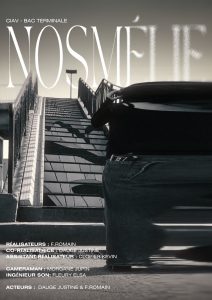
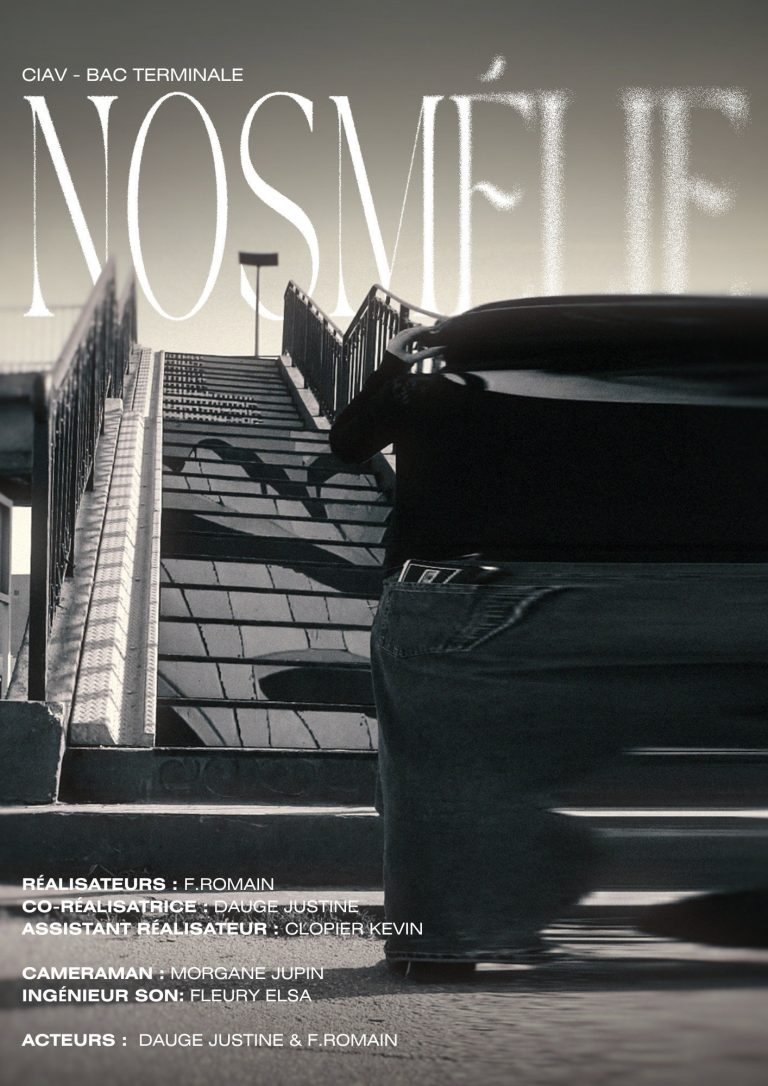
Welcome to today's episode, where we dive deep into the captivating 2026 French film, Nosmélie. Released in May 2026 and produced by Justine Film, this unique project beautifully blurs the lines between fiction and reality by blending elements of drama, romance, family dynamics, and documentary storytelling. In this episode, we explore the incredible creative synergy behind the movie, focusing on the impressive multi-tasking of Justine D. and Romain F., who not only co-directed and co-wrote the script but also starred as the lead characters. Join us as we unpack the emotional core of Nosmélie, analyze its distinct visual style crafted by cinematographer Morgane Jupin, and discuss how this indie gem captures the essence of modern French cinema. Whether you are a fan of heartfelt romantic dramas or grounded documentaries, this discussion will give you a fresh perspective on a truly intimate cinematic experience.
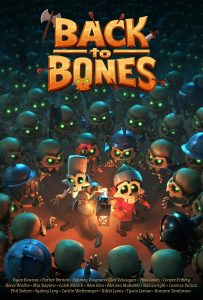
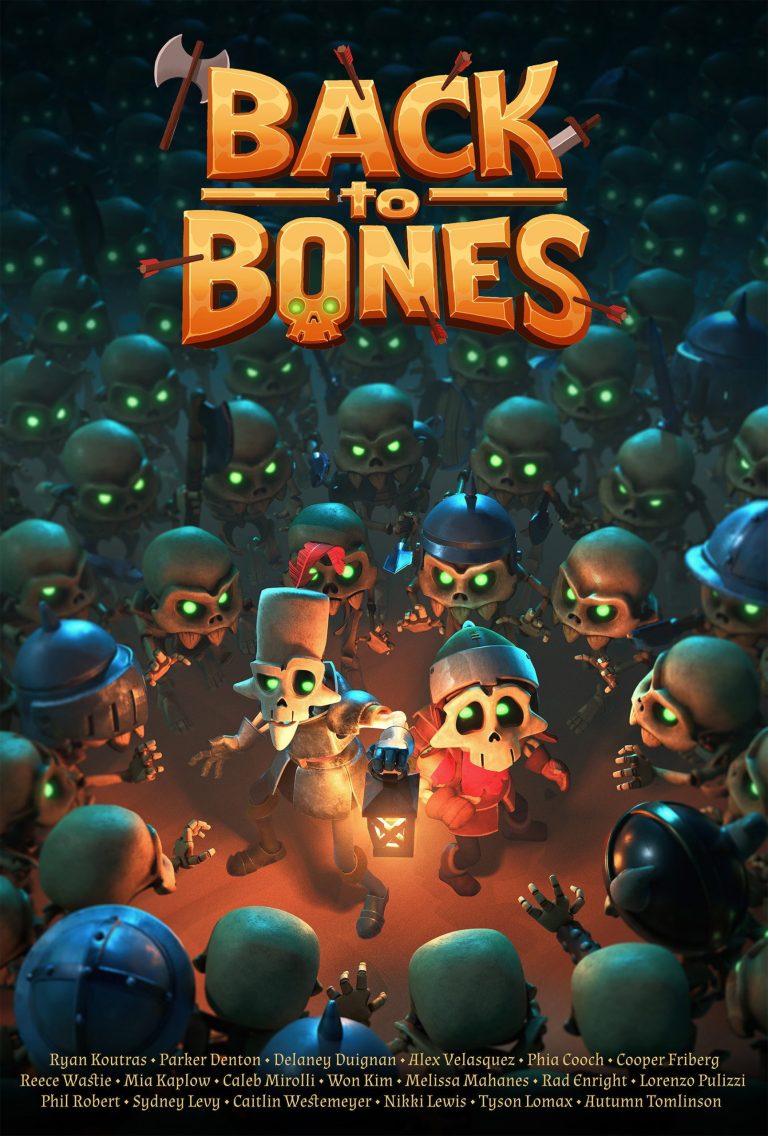
Welcome to today's episode of our podcast, where we dive into the hilariously spooky and magical world of the 2026 animated short film, Back to Bones. Directed by Ryan Koutras, this five-minute fantasy comedy masterpiece recently captured the spotlight as the third-place winner of the prestigious 2025 Animation Thesis Grant awarded by the creative studio Make.
In this episode, we unpack the brilliantly crafted plot set in a bleak, medieval wasteland. The story follows a hapless Knight, voiced by Will Bergbauer, and his loyal Squire, played by Nicholas Nardone, who find themselves accidentally resurrected into an undead army by a powerful Necromancer, voiced by Nathan Lamarre. What follows is a wildly entertaining journey as the duo becomes desperate to escape their cursed undeath. They try absolutely every method possible to rest in peace, only to comically wake up again after each failed attempt. We will discuss the film's chaotic climax, which involves a massive cannon that misfires and seemingly crushes the very Necromancer who raised them—or so it seems.
Join us as we explore how Back to Bones masterfully blends high cinematic stakes with crude, laugh-out-loud humor. We will discuss the film's unique tone, which leans heavily into the charm of a fantasy epic that never takes itself too seriously. From its spooky Halloween vibes to its clever take on the classic skeleton trope, we analyze what makes this short film a standout piece in modern animation. Whether you are an animation enthusiast, a lover of dark comedies, or simply looking for a fun fantasy adventure, this episode offers a complete deep dive into the creative brilliance behind Back to Bones. Tune in for a spellbinding and bone-rattling discussion!
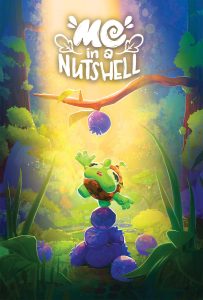
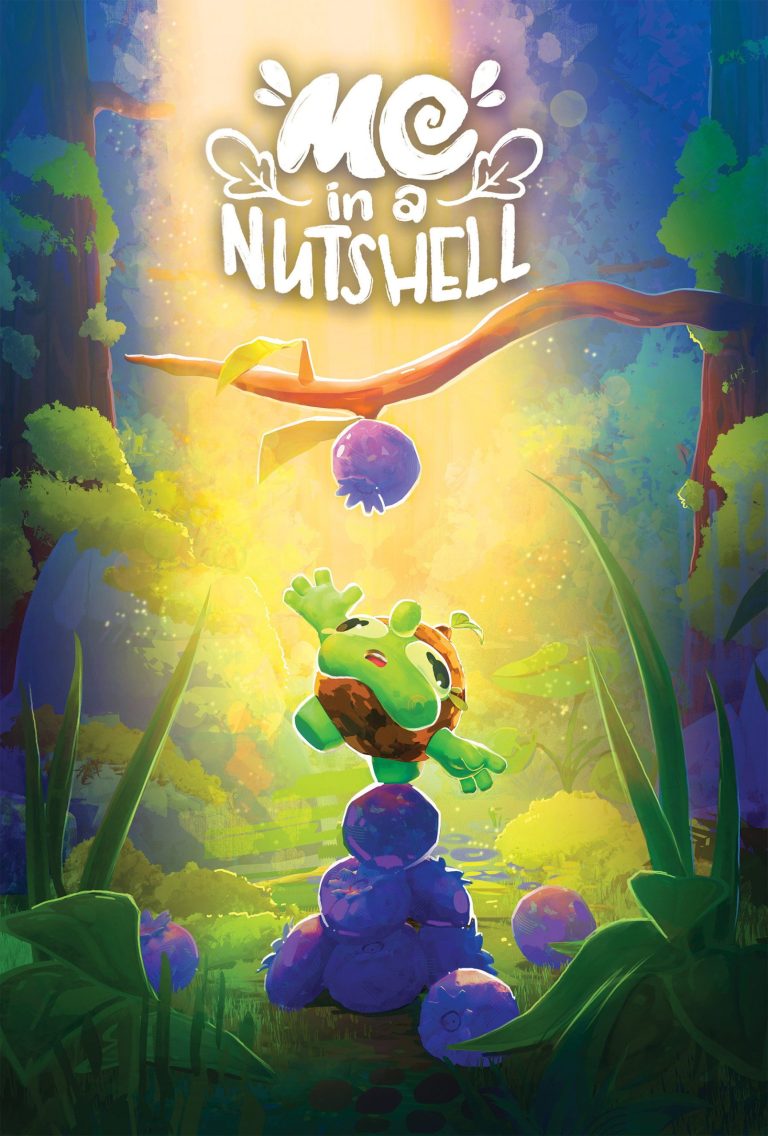
Welcome to this special podcast episode where we dive into the magical and heartfelt world of "Me in a Nutshell," a beautifully crafted animated short film created by the talented senior class of 2026 at the Savannah College of Art and Design. In today’s discussion, we explore the charming and visually captivating story of a tiny, inquisitive forest creature simply named "Me."
Our episode follows the narrative arc of this little protagonist whose boundless curiosity and innocent wonder lead him into a rather sticky situation—getting physically trapped inside a giant nutshell. We break down the animation techniques and storytelling devices used to portray his frantic, desperate, and often humorous attempts to escape his woody prison. But this film is much more than a simple survival story. We will unpack the deeper layers of the narrative, examining how the creators masterfully weave together the lighthearted theme of childlike wonder with the much more profound and relatable concept of adult acceptance.
Join our hosts as they analyze the metaphorical weight of being stuck in a nutshell and how the creature's journey mirrors our own struggles with feeling confined by our circumstances. We will also shine a spotlight on the incredible behind-the-scenes effort of the student team, who dedicated an entire year to bringing this project to life from initial concept to the final screen. Whether you are an animation enthusiast, an art student, or simply a lover of touching cinematic experiences, this episode provides a comprehensive look into a heartfelt story designed for all audiences to enjoy. Tune in as we celebrate creativity, resilience, and the beautiful artistry behind "Me in a Nutshell."